The Carnavalet museum pays tribute to Madame de Sévigné
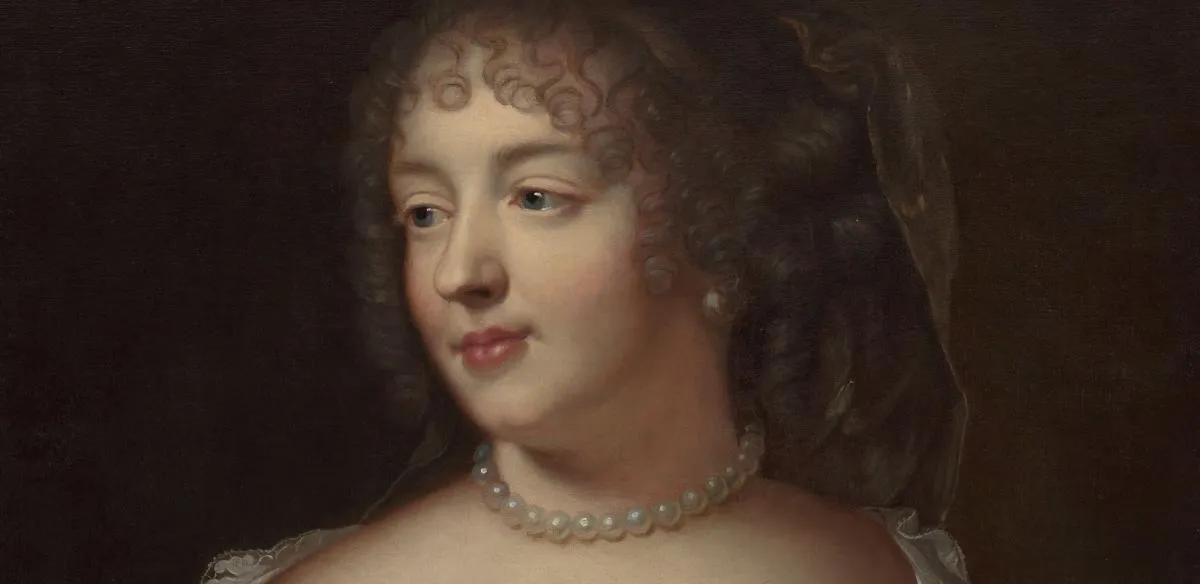
Madame de Sévigné (1626-1696), this illustrious little-known… The exhibition offered by the Carnavalet museum in Paris could have been titled like this. Because, on the one hand, the famous letter writer became so popular that chocolates, soaps and other inkwells or fans appeared in her image from the 19th century onwards, giving a real “cult” to the woman whose letters we study one or two in class.
“She is presented as a morally exemplary widow and her image is associated with good French taste,” explains Anne-Laure Sol, curator of the museum and co-curator of the exhibition. The first room bears witness to this by bringing together numerous examples of luxury or everyday objects which use its reputation as an advertising argument.
On the other hand, this “heritage” of the marquise is accompanied by a somewhat anecdotal vision of her literary talents. Finally, she is often presented as “THE woman of letters”, an exception among the “great men” of the century of Louis XIV. However, “she was not alone in writing, far from it! » recalls Nathalie Freidel, professor of French literature at Wilfrid-Laurier University, in Canada. “Marie de Sévigné is part of a large group of intellectual friends. » These are evoked by their portraits and their writings: in particular Madame de La Fayette (author of The Princess of Cleves) and Madeleine de Scrudéry, to whom we owe the famous Carte du Tendre, a sort of poetic world map, depicting the journey of courtly love.
Around these erudite and creative aristocrats gravitate other “learned” or “precious” women – whom authors like Molière will soon ridicule -, but also men, fans of beautiful language “and desiring more egalitarian relationships with their contemporaries”, specifies the specialist. The Duke of La Rochefoucault or Madame de Sévigné’s beloved cousin, Roger de Bussy-Rabutin, are part of this circle.
“The large and small events at the Court and the scandals which punctuated the political life of the time find echo in his correspondence. Thus, it provides us with a very informed account of the disgrace of the superintendent of finance, Nicolas Fouquet, who was a friend,” specifies David Simmoneau, co-curator of the exhibition. We also find from his distanced and humorous pen stories on the “poisons affair” which shook the Court around 1680, on the suicide of the cook Vatel, on the marriage of the Dauphin or even on the Jansenist quarrel….
At all stages of the journey, you can listen to numerous extracts from his letters, read on headsets provided. The testimony of this contemporary of Louis XIV thus retains all its liveliness.