Advertising of ultra-processed foods: targeted children
In chocolate bars, sodas, but also in prepared meals and canned vegetables, sugar is everywhere. In the National Assembly, ultra-processed products are in the spotlight. Texts aimed at protecting children’s health are multiplying, while the government has just published its National Strategy for Food, Nutrition and Climate.
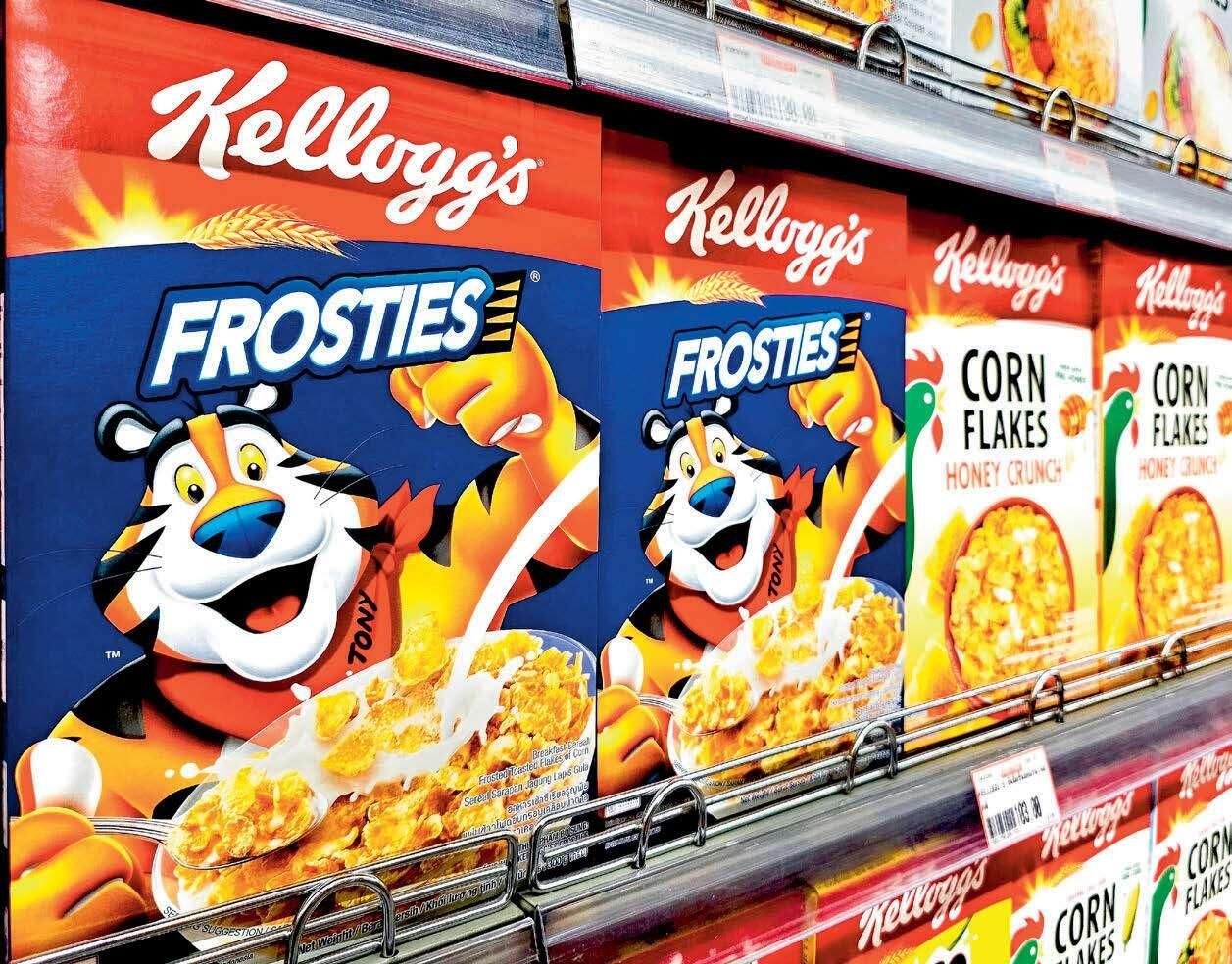
On February 11, 2026, Sabrina Sebaihi, environmentalist MP, unanimously adopted in the Social Affairs Committee a bill called “Generation without sugar”. While 17% of children aged 6 to 17 are overweight, including 4% obese, it plans to ban advertising targeting minors for ultra-processed foods, rich in additives and sugar. No more famous cartoon characters displayed on cereal packets. Also no more advertising spots on television before 9 p.m.
Very active lobbying
Consumer associations welcome the ambition. “For twenty years, politicians have been warning about the harmfulness of sugar in children’s diets, but nothing has changed,” recalls Olivier Andrault, of UFC-Que Choisir. The “Gattolin” law, adopted in 2016, banned food advertising in youth television programs on public channels. But its effect remained limited: these spots were postponed to prime time (prime listening time), which is very popular with young people.
“The pressure from the agri-food industry on elected officials is colossal,” whispers an MP close to the matter. The debates focus in particular on the definition of ultra-processed foods and the strength of scientific evidence. The fragility of the legislative text lies in this point: how can we define these products and establish their health impact? In 2024, the National Health Safety Agency (ANSES) estimated that “the current classifications of foods according to their degree of processing cannot be translated into health risks”. In other words, if the suspicion is strong, the precise link between industrial transformation and pathologies still remains to be scientifically consolidated.
While it was to be examined in the National Assembly on February 12, 2026, the bill ultimately could not be debated due to lack of time. It could return to the debates, provided that the deputies obtain its inclusion on the agenda. The text, imperfect, now awaits a political choice.