“Here, the churches are full but corruption is strong”
How do you understand the Pope’s choice to visit Africa for the first major pastoral tour outside Italy of his pontificate?
Since his election, he has received several visits ad limina of African episcopal conferences, which undoubtedly contributed to directing his attention to this continent. After Algeria, the pope arrives in three central African countries, Cameroon, Angola and Equatorial Guinea. Other African regions will certainly follow. Leo XIV already knew Africa, having visited there several times when he was superior general of the Augustinians. He is also aware that, demographically, an important part of the future of Catholicism is being played out today on this continent.
Africa is therefore “the future of the Church”, according to an often heard expression?
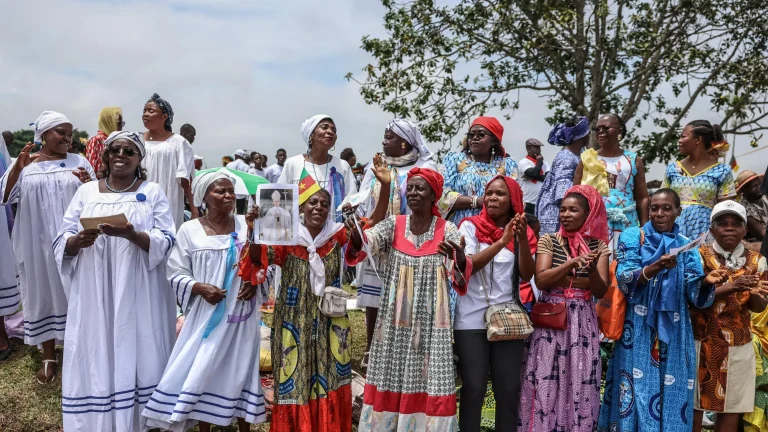
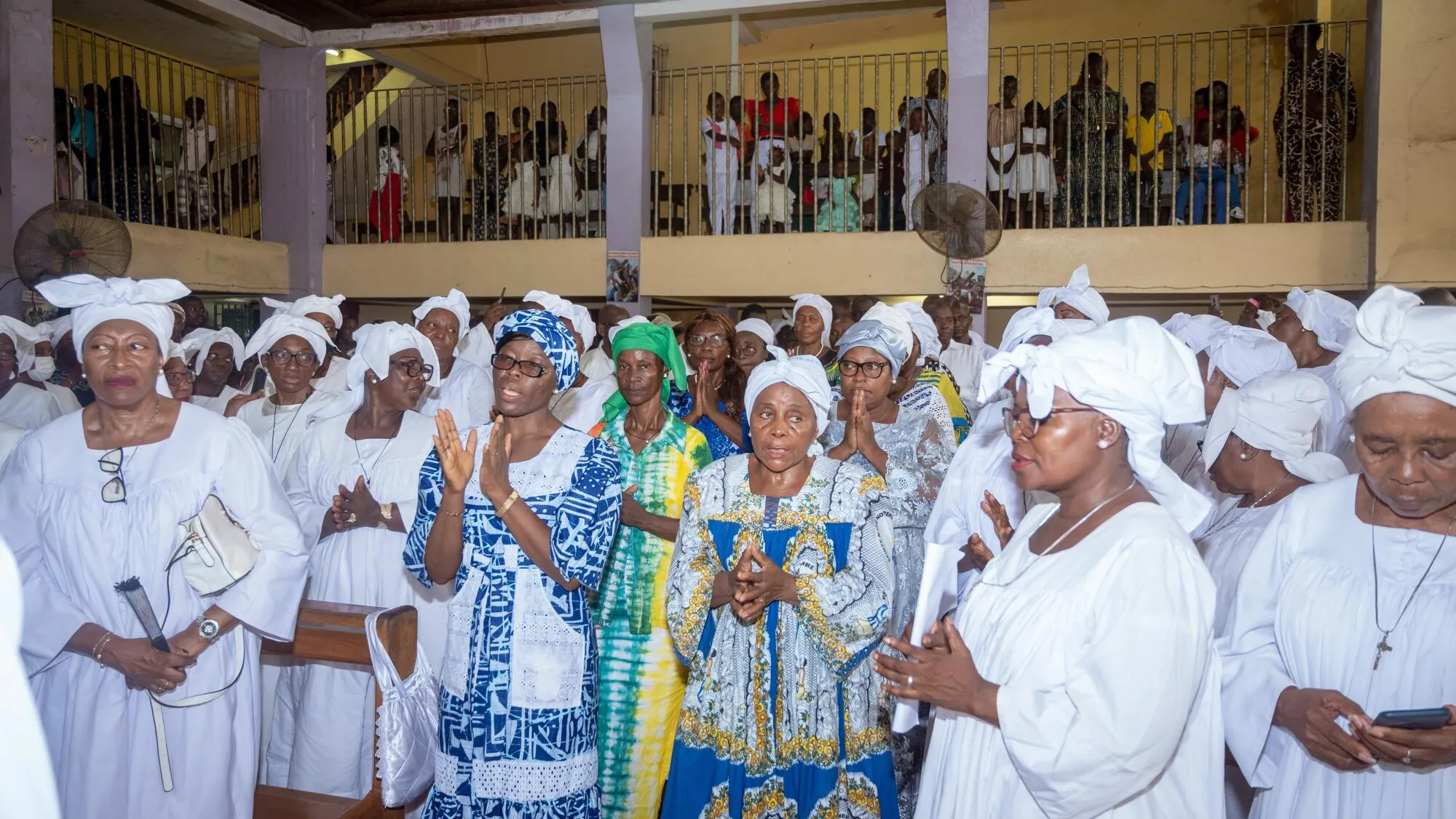
From a demographic point of view, the future of the Church indeed lies largely in Africa. However, it is important to remain attentive to the dynamics of generational transition: new generations of Catholics will not necessarily have the same relationship with the institutional Church as their elders. The Church in Africa remains in a dynamic of growth and consolidation. This vitality is manifested by a strong participation of the faithful, a numerous youth and a real pastoral dynamism. Liturgical celebrations are often very lively, participatory and deeply embodied. The universal Church could learn in this way to enter into relationship with God with its whole being.
“Digital growth must be accompanied by deeper conversion, moral integrity and increased commitment to the common good. »
P. Ludovic Lado
Does this dynamism come up against obstacles?
Material and human resources do not always keep up with this growth rate, especially as aid from the Churches in the northern hemisphere tends to become scarce. Furthermore, we must be careful of the risk of possible tension between them and the Church in Africa, due to different pastoral priorities. In many African regions, the emphasis is on managing rapid growth, mobilizing resources to support expanding communities. In the North, the debates focus more on pastoral innovation in the face of the reduction in the number of priests and the evolution of religious practices. These distinct contexts shape different expectations, but also offer opportunities for mutual learning provided that the dialogue is based on mutual respect.
Does this spiritual vitality change society?
Not enough: the churches are full, but corruption and injustice remain very present. This gap between religious practice and ethical reality constitutes a major challenge for African Christianity. Digital growth must therefore be accompanied by deeper conversion, moral integrity and increased commitment to the common good.
Despite its dynamism, the African Church remains very little represented within the Roman Curia…
It would be desirable for the Pope to help correct these imbalances so that the demographic weight of the continent is better represented. But the question is not limited to the appointment of officials: their authority must still be fully recognized and respected… Some continue to perceive the Vatican authorities as reserved spaces, and the arrival of cardinals from the Great South can give rise to resistance. A more balanced representation would strengthen the feeling of listening and participation of the African Churches.
In Cameroon, Leo
Deadly conflicts in Africa are often less publicized internationally than those in other regions of the world, such as Europe or the Middle East. However, the popes did not fail, when informed, to advocate peace and dialogue in different regions of Africa. There have been repeated calls for a peaceful resolution to the crisis in Cameroon’s English-speaking minority regions, where Bamenda is located. Vatican emissaries even went there in the hope of facilitating mediation. Without success so far.