
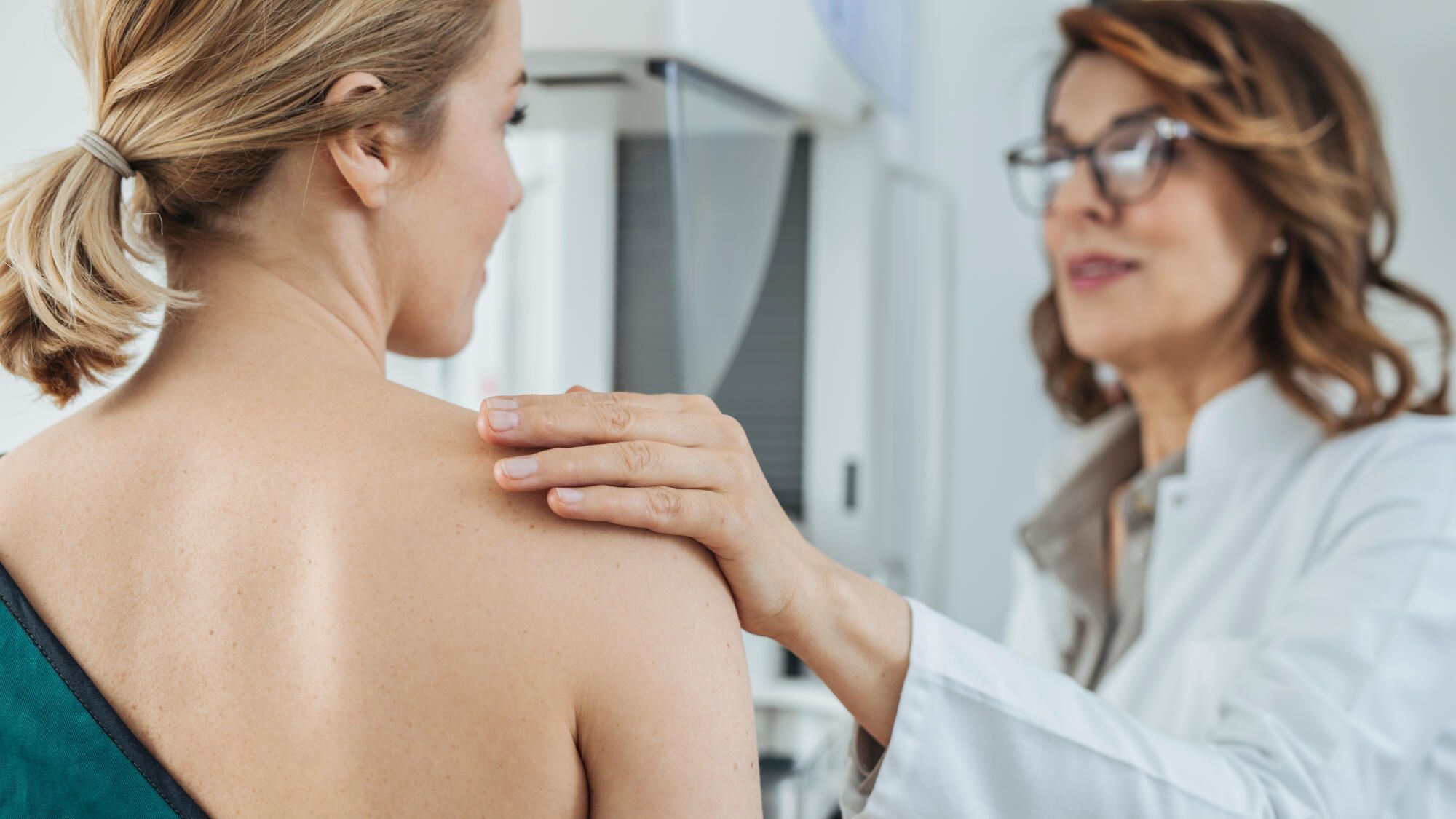
Is breast cancer screening harmful?
- Breast cancer screening sparks debate. Certain studies, sometimes from scientific publications, dispute its effects. The first risk mentioned is overdiagnosis: that is to say the detection, then treatment, of tumors which, without treatment, would probably never have progressed to serious forms. The National Cancer Institute (Inca) responds that “in the current state of knowledge, diagnosis does not make it possible to distinguish cancers which will progress (which are the majority) from those which will progress little or which will have no consequences (10 to 20% of cancers detected)”. (1)
- Another criticism frequently put forward: screening would mainly identify limited and “in situ” tumors, not the most aggressive ones. Added to this is the fear linked to the repetition of As a guide, if a woman strictly follows the recommendations for participation in the organized screening program from ages 50 to 74, she will perform 13 mammograms in total.
- A majority of studies nevertheless positively assess the “benefit-risk” of screening, even imperfect. The most recent, carried out at European level, highlights the positive impact of mammography screening programs2. The results show a reduction in mortality, particularly among women aged 50 to 69. However, a report published by the Court of Auditors deplores “insufficient and declining” participation in free screenings recommended for women aged 50 and over, in place since 2004. This system showed a participation rate of 46.5% in 2022-2023, compared to 47.7% in 2021-20223. However, this cancer is the most common in France and the leading cause of death from cancer for women: 12,000 deaths per year and 61,214 new cases diagnosed in 2023. The Court of Auditors, which mentions “demonstrated effectiveness”, recommends relaunching the program.
1) The breast cancer screening program, Inca, 2025.
2) In The Lancet Regional Health-Europe, January 2026.
3) Prevention and treatment of breast cancer, Court of Auditors, January 28, 2026.


