
The Louvre and the scapegoat
I was shocked, like many French people, by the incredible burglary suffered by the Louvre Museum on October 19. Not so much for the love of the stolen jewels (which I don’t remember admiring) as for the spectacular breach they revealed in the security of the “largest museum in the world”.
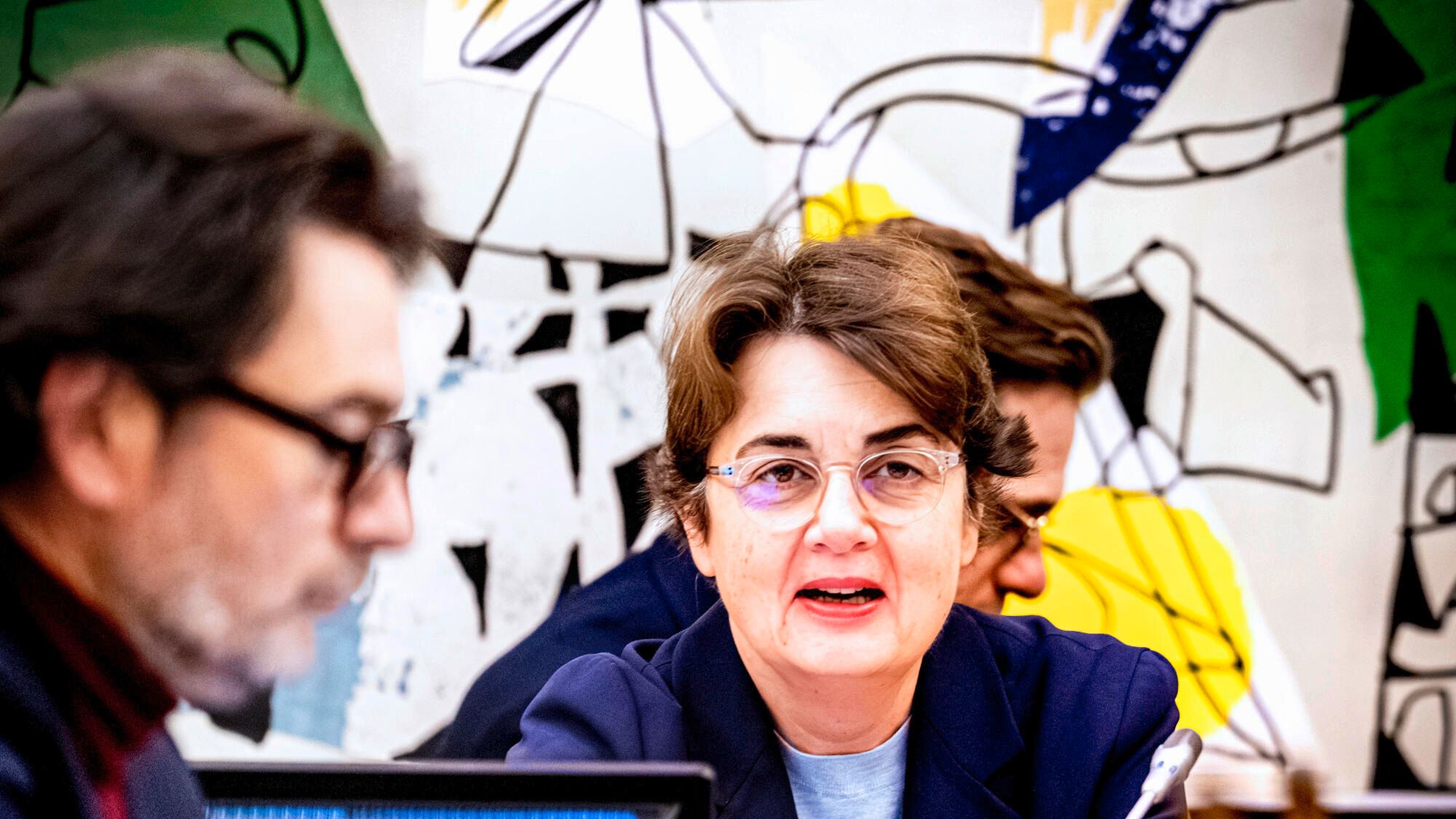
My chauvinistic ego was hurt and my anger was redirected, instinctively, towards the director of the institution: Laurence des Cars. On February 24, 128 days later, his resignation was accepted. The designated fuse had just blown. Finally ! “President, I was there to take the lightning,” she defended herself in the pages of Figaro.
An expression which took me back to the biblical episode of the scapegoat (Lv 16). As is often the case, the temptation is great for a wounded society to focus its ire on an individual. However, the fault is rarely reducible to a single person. To those who look for someone to blame, Jesus responds that no one is more sinner than another. To the crowd ready to stone the adulterous woman, he sends everyone to their own responsibility (Jn 8). Even a person “angry with his brother must face judgment” (Mt 5). Jesus, whose condemnation, even then, resulted from a media storm…
During this time of Lent, I therefore try not to give in to easy judgment, especially towards public figures, often reduced to the state of “figures” rather than “people”. Even 128 days later!


