What does the term “extreme” really mean?
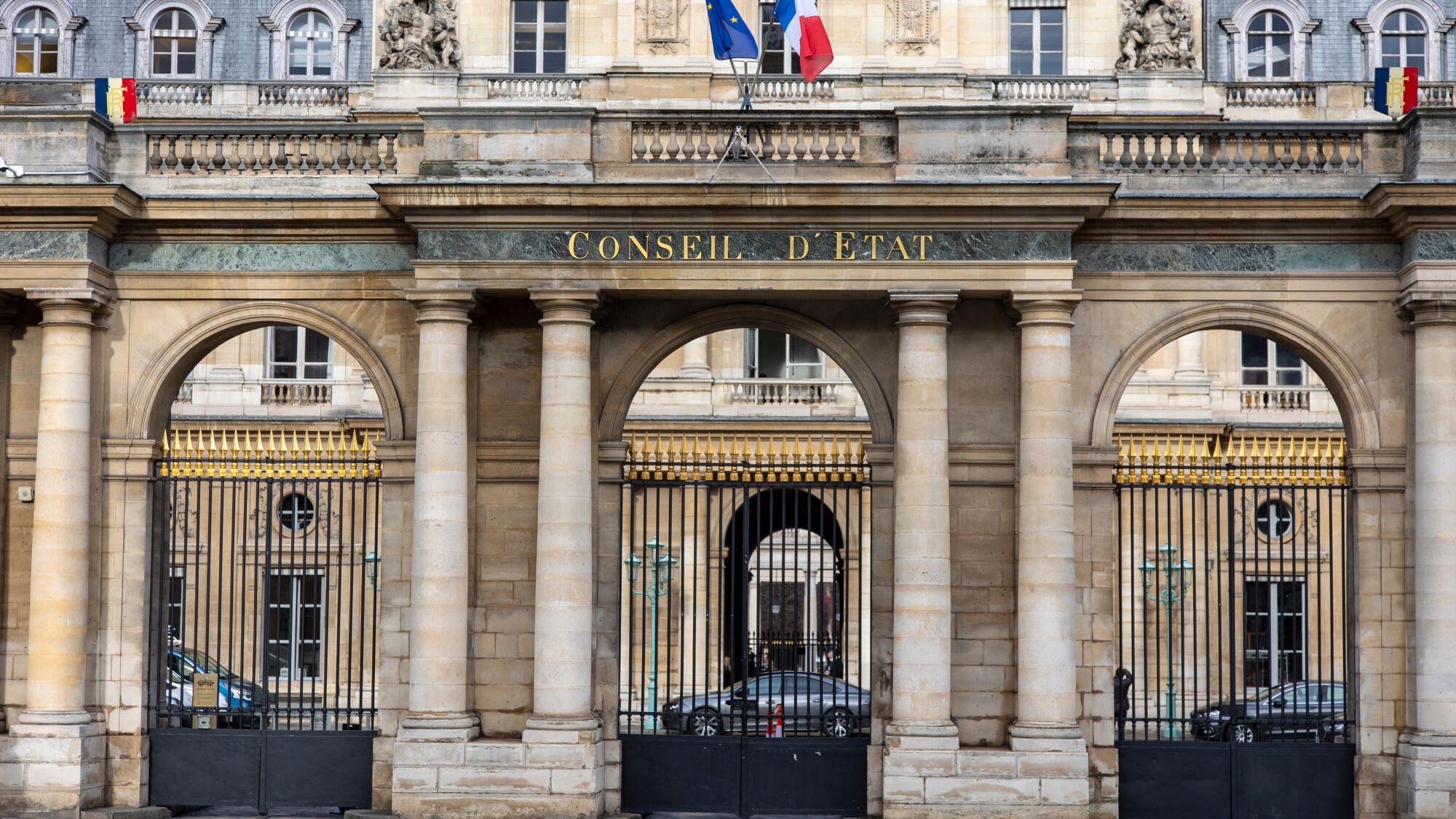
Rarely has the notion of “extreme” in politics been so talked about. Firstly because the violent clash in Lyon between two groups, one identity-based, the other anti-fascist, on February 14, 2026, caused the death of the young nationalist Quentin Deranque. Then because two parties contested before the Council of State their classification for the municipal elections on the extreme left for La France insoumise (LFI) and on the extreme right for the Union of Rights for the Republic (UDR), the party of Éric Ciotti. So what criteria push a party into the “extreme” camp?
“Certain ideologies predispose to violent action,” analyzes Stéphanie Dechézelles, professor of sociology at the University of Pau (Pyrénées-Atlantiques). Political science then characterizes them as “extreme”. Whether they are far right or far left, they have in common that they contest the legitimacy of institutions and call for change by means other than the parliamentary system.
But their similarity ends there. For the sociologist, far-right ideologies promote an identity which leads to the rejection of people who do not correspond to it. When there is a transition to violence, these are people who are attacked, for example during anti-Semitic, racist, homophobic attacks.
Far-left ideologies want to overthrow a social organization that they consider oppressive. The violent expression of these ideas generally takes the form of damage to buildings (banks, public buildings, etc.) and confrontation with the police.
Do we find these elements in the LFI and UDR projects? The two parties vigorously defended this before the Council of State on February 25, 2026. In response, the institution’s rapporteur argued that the classification, carried out by the Ministry of the Interior, was not intended to provide an analysis of political philosophy. But rather to bring nuance to the study of municipal results.
For him, the term “extreme” above all defines parties in relation to other more moderate ones. He thus recalled that LFI claims to be from the left of the left. And that the UDR broke away from the Republicans to ally itself with the National Rally, already classified as far right by the Ministry of the Interior. On February 27, 2026, the Council of State rejected the appeal.
A place of expression
One might wonder if there is sometimes confusion between the parties and their most virulent activists, sometimes described as “ultras”. This term, recalls Stéphanie Dechézelles, comes from the police services to designate people or groups who may represent a danger to public order because of their political ideas.
For Nicolas Roussellier, historian and professor at Science Po, the border between these groups and the parties would firstly be “a difference of arena”. To the parties, the political arena with a use of speech which can be violent, but within an institutional framework; to groups, public space and actions that depict a form of violence, sometimes physical.
Should we go so far as to ban parties linked to these groups? Nicolas Roussellier does not think so: “Excluding the extreme right and the extreme left would weaken our political system by depriving the part of the population who feels angry against this system of expression within its institutions. »


