“We talk to people, not wallets”
Despite the rain, the queue stretched for tens of meters. In line, we greet each other, we talk, we call to each other with a smile. The scene could take place anywhere, but two details attract attention. First, the bets are careful. Here, no jogging pants or big sweaters, instead blazers and ironed shirts. Then the mixture of languages calls out: there we discuss in French, elsewhere in English, in Italian, in Spanish.
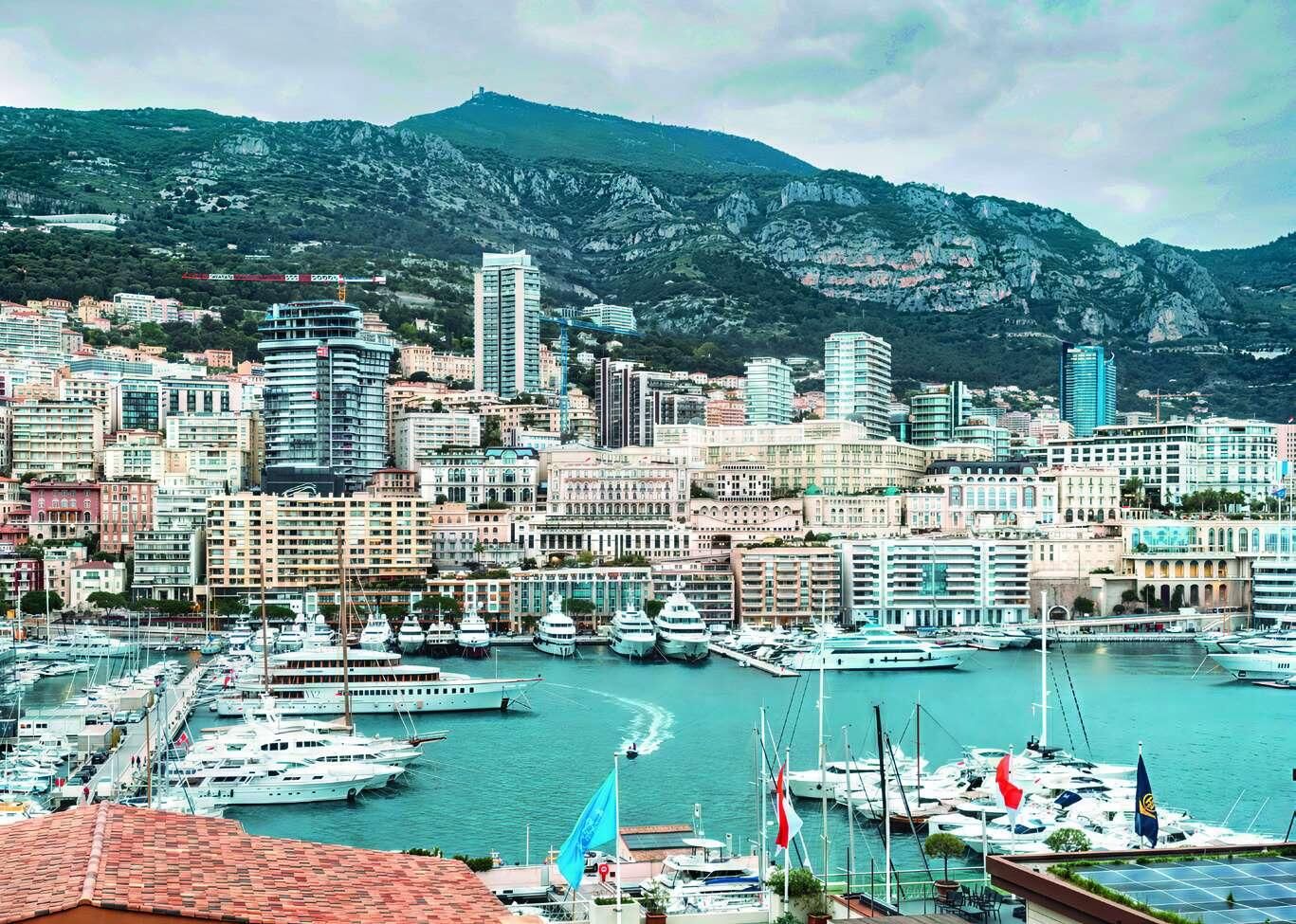
These particularities are a reflection of the place where this scene takes place, Monaco, where Leo XIV will visit on March 28. That morning, these Monegasques lined up to collect a white bracelet, a precious key to attending the events around the pontiff.
Decided “personally” by the latter, as is explained on both sides of the Alps, this trip never ceases to amaze as the principality of 38,400 inhabitants with unbeatable taxation is more associated with the celebrity press than with papal news. “We should not summarize Monaco with its caricatures,” retorts Father Christian Venard, chaplain of the local armed forces. If the city is indeed that of the casino and of those who come to show off there, it is also that of all the vital forces which make it function on a daily basis. »
The ultra-rich, a minority
Jennifer is one of the famous “living forces” of Monaco. Originally from the Philippines, she arrived in the city-state around ten years ago.
“My aunt was already working here and recommended me for a nanny position,” she explains. The forty-year-old refuses to say more about her employers, but we understand that it is one of those “ultra-rich” families who make the reputation of the place. And even though she misses her country of origin and her choice involved living ten years away from her husband before he could join her, she does not regret it. “The most important thing for me is to have work,” she argues. Like Jennifer, dozens of Filipinos are present in Monaco, often leaving behind a family to whom they send part of their salary every month.
“There are actually a lot of modest people in Monaco. The ultra-rich are only a minority and are often those who have arrived most recently. »
Bruno-Thomas Mercier Dominican living in the city-state for eighteen months
“There are actually a lot of modest people in Monaco,” underlines Brother Bruno-Thomas Mercier, a Dominican living in the city-state for eighteen months. The ultra-rich are only a minority and are often those who have arrived most recently. » For many families, the cost of living is so high that they have to resort to social services. On 2 km2, billionaires and domestic workers necessarily rub shoulders and attend the same parishes – for those who profess to be Catholic, which also has the status of official religion here.
Between these two opposing universes, explains Father Venard, “there is a very large majority of ordinary people who lead ordinary lives. » Either they are one of the 8,800 subjects of Prince Albert, in other words of Monegasque nationality, or they arrived in Monaco through the vagaries of their family history. Many pied-noirs settled there. “Our main privilege is to live in an extremely safe city,” defends Arlette, 78 years old and a Monegasque citizen by marriage. However, the casino is never far away: her husband was a dealer…
And even if the city were only populated by billionaires and influencers, would a papal trip be completely unthinkable? “These people also have a soul and have the right to be evangelized! », retorts Father Venard, not without amusement. No reason therefore to deny them the right to a visit from the Pope. According to the priest, “it would even be unfair to exclude them, especially since the poverty that the Gospel values is not so much material as a spiritual attitude.”
Resumption of the catechumenate
“We speak to people, not to wallets,” adds Brother Marie-Arnaud Gualandi, also Dominican. “I do not know the status of those to whom I am speaking,” explains Father Mercier, “and the sins are very often the same, whether one is rich or poor…” The preacher brother, however, confides that he has adapted his language. “I try to talk a little more about social justice, for example the need to pay a fair wage. » Monaco could therefore be a forum of choice to address these subjects for Leo XIV, who chose a pontiff’s name taking up that of the founder of the modern social doctrine of the Church.
Like its French neighbors, the diocese of Monaco is also witnessing a revival of the catechumenate, with nearly 70 adults engaged in this journey, whether for baptism or confirmation. “It is an almost perfect image of the diversity of the inhabitants with several nationalities represented and totally opposite standards of living,” remarks Simon Ardiss, head of the catechumenate. Even those who seem to have it all may have a need within themselves that they cannot satisfy and wish to turn to God after trying everything. Spiritual thirst is felt by everyone, rich and poor alike. »
PROGRAM OF THE POPE’S VISIT
→ 9 hours Leo XIV will begin his day with two meetings: first with Prince Albert, then with the Catholic community gathered in the cathedral.
The young people and the catechumens will then have a special time in the presence of the Pope, in front of the Sainte-Dévote church, a mecca of Monegasque piety.
→ 3:30 p.m. The day will end with a mass in the Louis-II stadium.
→ 5:45 p.m. Return to the Vatican by helicopter, as the Rock does not have an airport.