The Upright Debate: Two Writers Argue About the Standing Stone
Editorial note: We assigned two contributors – one a lifelong advocate of the classic standing monument, the other a committed skeptic of it – to argue the question families quietly argue at every consultation table: does the upright headstone still earn its premium? The debate format runs opening statements, one rebuttal each, and closing lines. The category both writers reference is the upright headstones collection at Memory Headstones, which supplied the specifications, price tiers, and design range cited by both sides. Neither writer saw the other’s draft before rebuttals. We publish the exchange in full.
Opening statement — FOR the upright (A.R.)
Let me begin with a walk every reader can take tonight. Enter any cemetery an hour before sunset and notice, honestly, where your eyes go. They go up – to the standing stones, the tablets catching the low light down their polished faces, the silhouettes that turn a lawn into a place. That instinct is five thousand years old and it is not a marketing artifact. Humans mark what matters vertically. We raise flags, steeples, and standing stones, and we have done so since before we could write on any of them, because the vertical is how the landscape says someone.
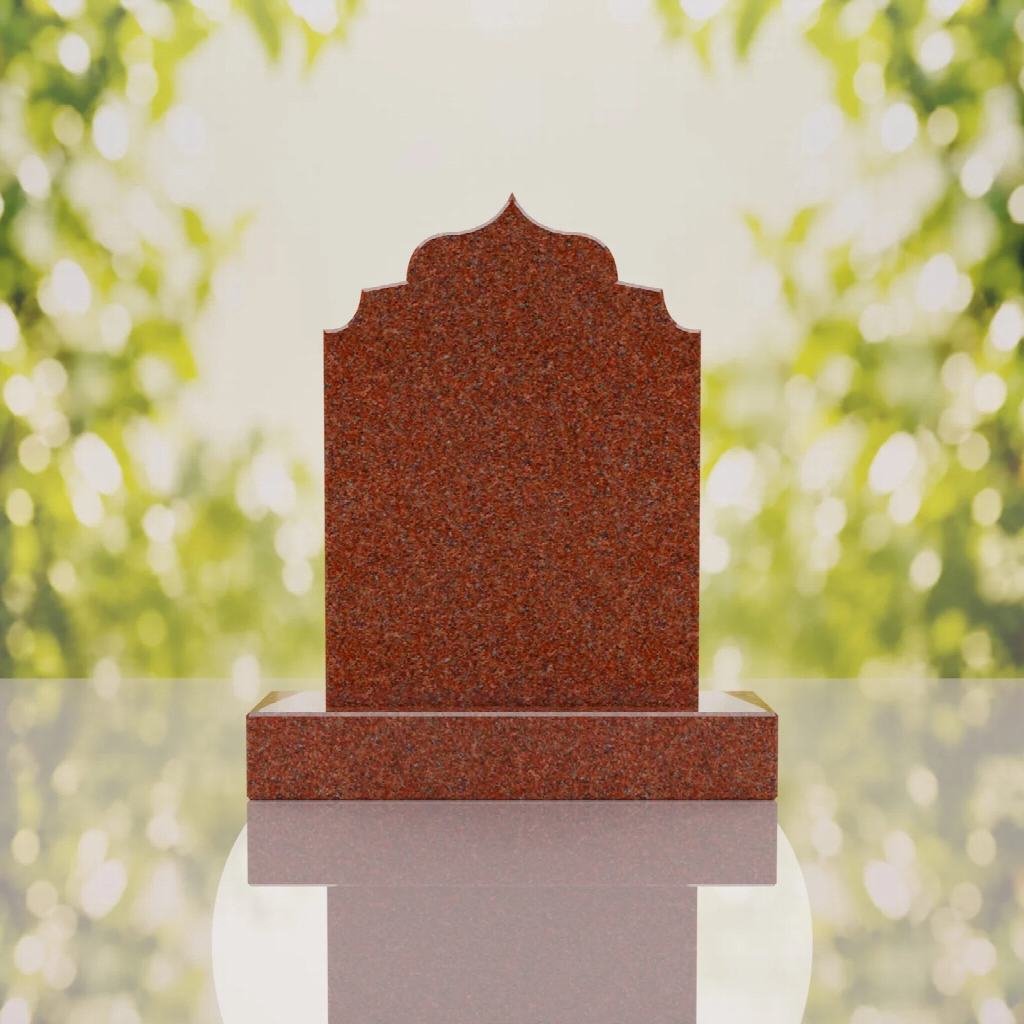
The upright’s practical case follows directly from its ancient one. Visibility: a standing stone reads from the path, which means a granddaughter finds it at nine without a map and at seventy-nine without her glasses. Surface: the format carries what no ground-level stone can – the family surname presiding, two names and a verse, carved and etched work at real scale, additions decades later. Dignity of address: you meet an upright face to face, standing, the way you met the person. And permanence of role: the upright anchors family plots, presides over generations of markers, becomes the fixed point family stories navigate by – we’re two rows past the Kowalski stone. No other format performs that civic function.
Yes, it costs more – more granite, real base, engineered foundation. My argument is that the premium buys the only thing this purchase is for: presence. Everything else in the catalog marks a grave. The upright keeps a place.
Opening statement — AGAINST the default (J.M.)
I want to be precise about what I’m against, because it isn’t the upright – some lives ask for a standing stone and should have one. I’m against the default: the industry-inherited, guilt-lubricated assumption that upright is what love buys and everything else is what budgets settle for. That assumption is doing unexamined work at consultation tables every day, and it deserves a debate.
Start with the honest arithmetic my colleague waves past. The upright premium is not a rounding error – it is multiples of a flat or slant marker’s whole cost once base, foundation and installation join the invoice, and for many families that difference is a month’s rent surrendered to a vertical instinct my colleague concedes is prehistoric. Prehistoric instincts make poor financial advisors. Then the practical ledger: entire modern memorial parks – among the best-tended landscapes in America – prohibit uprights outright, which means the format’s partisans must first ask a rulebook’s permission to feel superior. Wind, frost and time treat tall stones hardest; the leaning rows in every historic cemetery are exclusively vertical casualties. And the surface argument cuts backward: yes, the upright carries more – and consultation veterans will tell you more is where designs go to get crowded, while the flat and slant formats’ constraints force the discipline that produces the stones people actually photograph.
Mostly, though, I’m against the sentence I’ve heard too many times: “we felt we had to.” Nobody has to. The right monument is the one that matches the person, the section, the visiting habits and the budget – and for a large share of families, examined honestly, that monument is eighteen inches tall or flush with the grass, chosen proudly. Retire the default. Keep the option.
Rebuttals
A.R. responds: J.M. argues eloquently against a strawman – the guilt-purchase – and I’ll happily help bury it; no one should buy vertically out of shame. But note what the skeptic’s case concedes: every practical objection is a solvable specification, not an argument. The premium? Financing exists precisely for meaningful purchases – zero-interest terms and service discounts to 30% at the referenced catalog – and “multiples of cheap” can still be affordable, which is the only test that matters. The leaning rows? Nineteenth-century footings; modern engineered foundations ended that era, which is why the spec sheet, not the format, deserved J.M.’s suspicion. The rulebooks? Then the section decides and no debate occurs – I argue only for where choice exists. What remains, once the solvables are solved, is the thing my colleague never quite denies: the upright does something to a place that no horizontal stone attempts. Even skeptics navigate by the Kowalski stone.
J.M. responds: And note what the advocate’s case requires: a sunset, a walk, and five thousand years of species-level sentiment – everything but the family’s actual circumstances. I concede the upright’s presence gladly; presence was never the question. Default was. A.R. says finance the premium; I say interrogate it first, because a financed instinct is still an instinct with interest. A.R. solves the foundation problem with engineering; I observe that engineering appears on the invoice too. Where we genuinely agree – and readers should notice we do – is the method: section rules first, the person’s own scale honestly assessed, whole-number quotes, and the format chosen rather than assumed. Run that method and some families will rightly choose the standing stone. My entire argument is the word some.
Closing lines
A.R.: When the method runs honestly, the upright wins more often than my colleague predicts – because most families, asked what presence their person had, answer considerable. The standing stone is simply that answer, in granite.
J.M.: And when it runs honestly, families stop apologizing for every other answer. That’s the whole victory I came for.
Editors’ close: The debate resolves, as good ones do, into shared procedure and honest disagreement about frequency. Both writers direct families to the same next steps: the cemetery’s written rules, an unhurried look at the full range – the upright collection with its shapes, granites, and financing terms is at memoryheadstones.com alongside every alternative format – and a decision made by the family’s own lights, at the family’s own pace. The standing stone has survived five millennia of arguments. It will survive this one, and so, both writers agree, will the families who choose it – or don’t – on purpose.