Arundhati Roy Explores Her Mother-Daughter Relationship in Autobiography
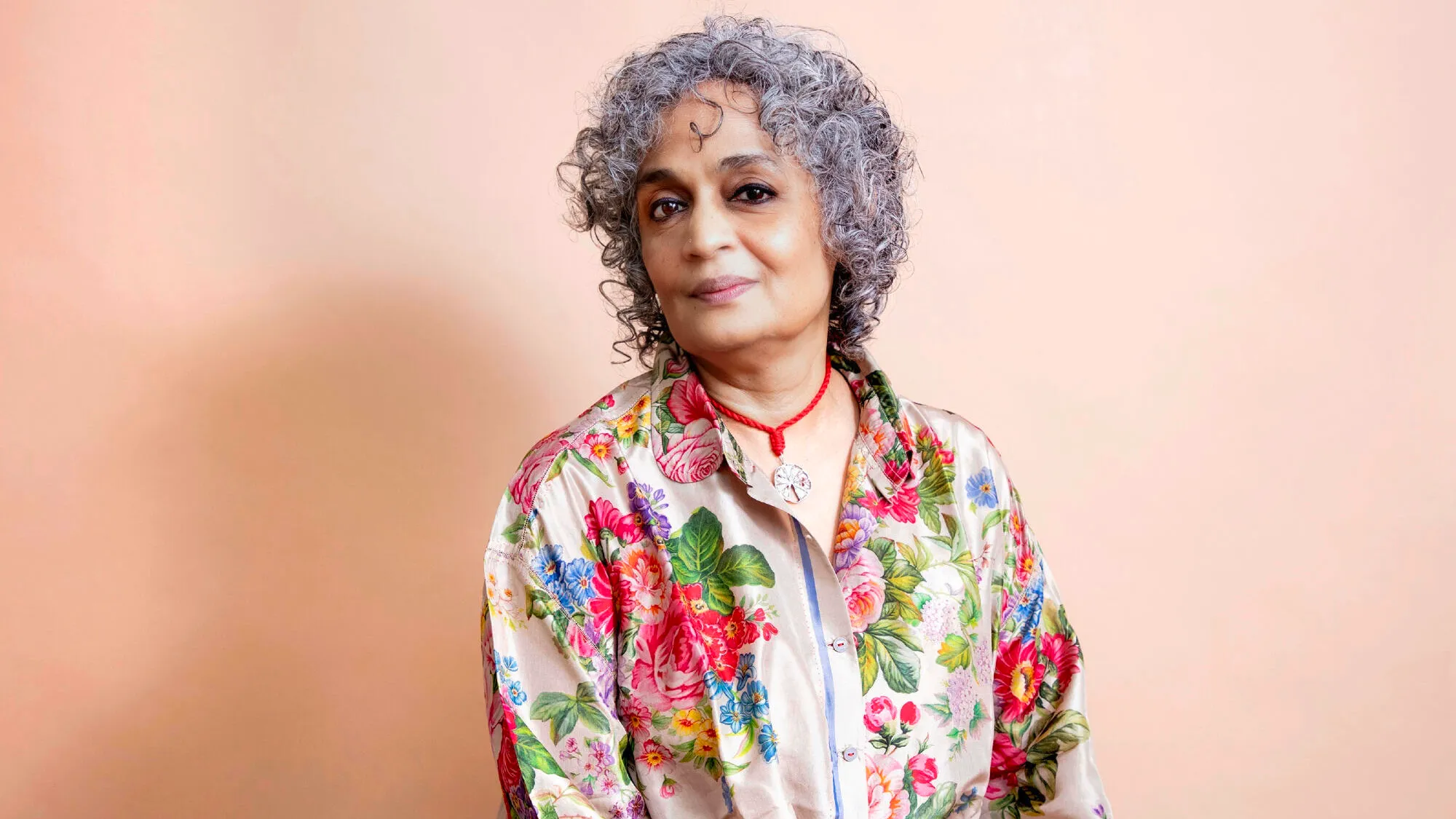
Raised in Kerala, a state in southern India, within a Christian community of the Syriac rite, Arundhati Roy, 64, became famous for her novel The God of little things, published in 1997, winner of the Booker Prize, the famous British prize. The writer was inspired by her experiences in the underbelly of Indian society to portray colorful characters and criticize injustices.
Gaining with this international recognition the means of her livelihood, she launched into the fight for human rights, denouncing the Hindu extremists in power and the massacres of Muslims, demonstrating against the caste system, for the rights of women and the untouchables. Environmentalist, pacifist, anti-globalizationist, she continues to fight against large dams and neoliberalism.
Omnipotent queen, adored
Thirty years after her immense bookstore success, the writer returns with My refuge and my storm, a moving autobiography. With a precise, powerful pen, she recounts her childhood in the middle of rice fields and rubber trees, and her schooling in the school founded and then directed by her recently deceased mother.
Tutelary figure, omnipotent and explosive queen, adored, revered, “Mrs Roy” – as her daughter calls her – had left an alcoholic husband and succeeded, in a macho society, in building an educational establishment in Kerala, then a renowned training center. But with her children – two girls and a boy – she behaved like a cruel bogeyman.
Arundhati had to flee her mother to save her life and build herself up. She experienced years of great poverty, where she lived on the sly in tin shacks, trained in architecture, lived in Delhi, then in Goa with her first companion.
She then met director Pradip Krishen, who would become her husband, worked for television and cinema, before separating and devoting her life to wrestling. “Even more perhaps than that of a daughter who lost her mother, my mourning is that of a writer for her most fascinating subject. In these pages my mother, my gangster, will live. She was my refuge and my storm,” says Arundhati Roy.
Its chronological story is an immersion into a society where poverty rubs shoulders with madness, where love clashes with the fierce desire of women to refuse their condition and to exist on their own. Dazzling!