
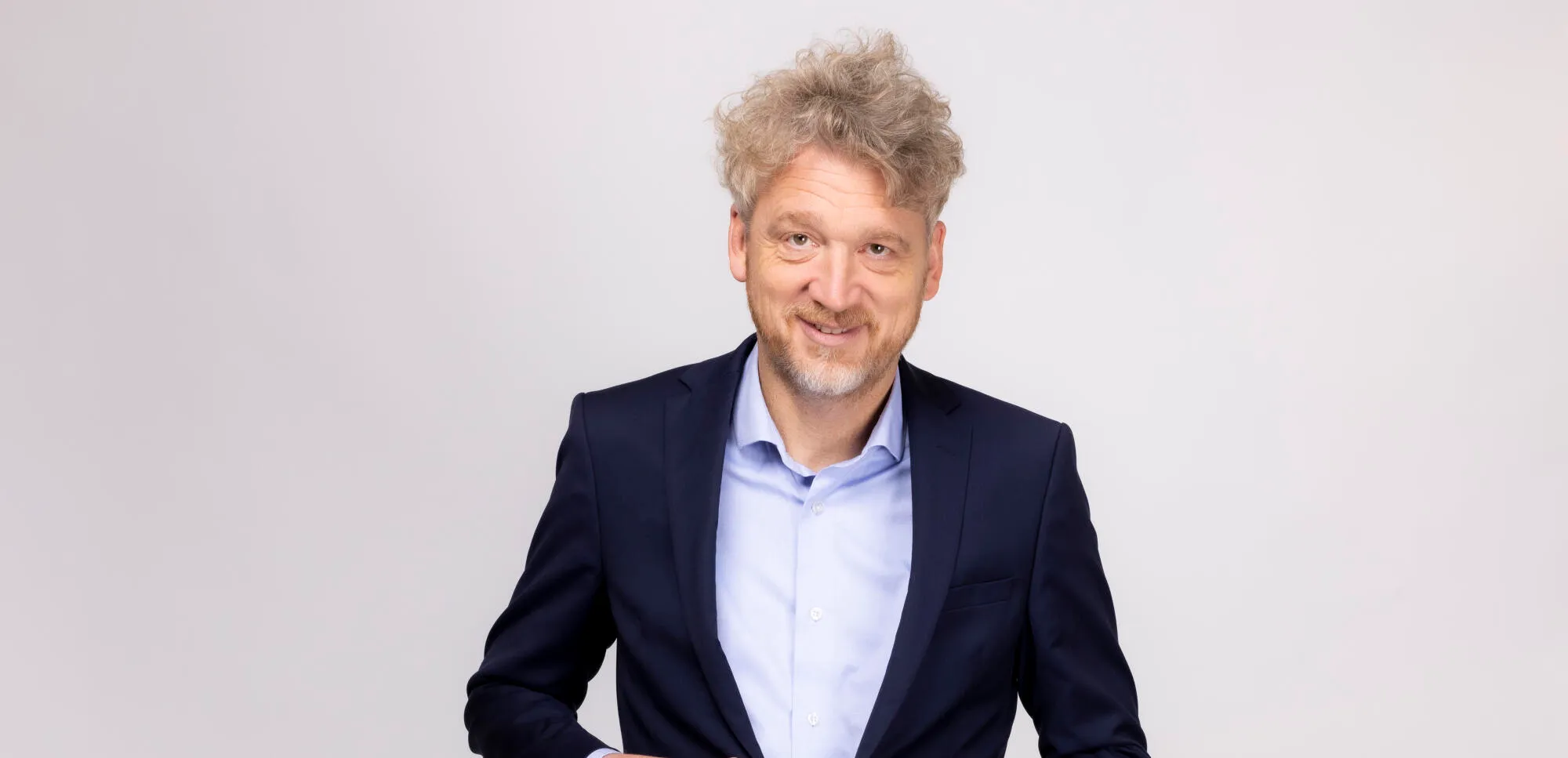
(Editorial) “The Promise”, by Samuel Lieven
My father always got up early. Very early. All his life, it fluctuated between two and four in the morning. A few years at the factory that I didn’t know, then decades receiving and distributing newspapers by the thousands. We lived above the store: a press house that smelled of tobacco and fresh newspapers and never closed. Before seven o’clock, when my father raised the gate, started the cash register and turned on the neon lights while whistling, pencil to his ear, he already had a “tour under his belt”. When I was little, I felt a sense of security. Dad works when everyone is asleep and, at the store, we have everything we need to survive: candy, toys, Panini pictures, school supplies…
“There is no progress to be expected if our children feel that the gate remains closed. »
Samuel Lieven
But when the time came for the first questions, my outlook changed. “Why do you get up so early? » “I didn’t choose it… It’s so that you and your brother have a good future. » Mom also sacrificed her job as a teacher for a time to help out behind the counter.
You will live better than us. This is the promise that parents make to children. Not always explicitly, but the idea is there: work, save, support your offspring as best you can… and cross your fingers in the hope that tomorrow will be (even) better than today.
For a long time, it worked. But today there is doubt. Housing, heating and traveling are (much) more expensive than before, when other goods and services became available in abundance. This blurs the lines. As for the statistics, our survey shows that they do not always match the experiences of the French. This famous “feeling” which brings crowds into the streets and politicians tremble as the elections approach.
Whether we find it legitimate or not, the persistent anger in our country expresses something other than just the level of material wealth: the growing difficulty of new generations in projecting themselves into the future. Particularly among the youngest who were sometimes seen accompanied by their parents in demonstrations in order to prevent the risk of violence. Like an awareness that transcends generations: there will be no progress or real enrichment to be expected if our children and grandchildren have the feeling that, for them, the gate remains closed.


