
have educational habits changed?
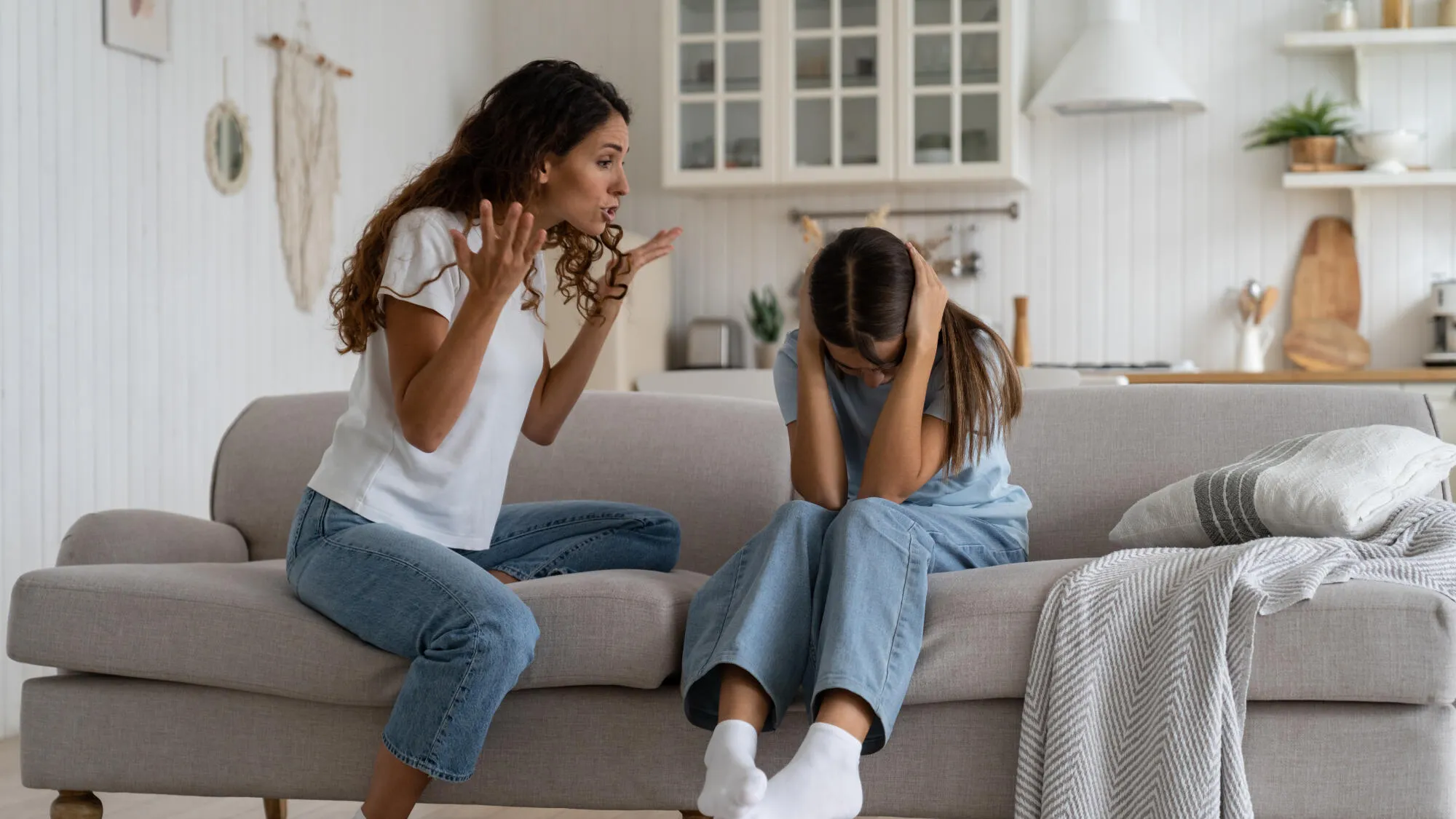
The scenario has already been seen a thousand times: a young child screams at the top of his lungs between the shelves of the supermarket to make his dissatisfaction known, provoking the anger of his parents. In a few minutes, the tone rises, then the spanking goes away. This type of practice remains commonplace in France, according to the latest Ifop barometer for the Children’s Foundation on ordinary educational violence published on April 17, 2026.
According to the study, carried out among 1005 parents of children aged 0 to 17, 83% of them declared having resorted to verbal or psychological violence at least once and 37% to physical violence during the last twelve months. A significant proportion, therefore, despite the so-called “anti-spanking” law of 2019 which prohibits all forms of educational violence.
Supported by Modem MP Maud Petit, it aims to ensure that “parental authority is exercised without physical or psychological violence”. The Court of Cassation corroborated this last January, recalling that there was no “right of physical correction” of a parent over their children.
But how can we recognize these actions that can quickly occur in stressful situations? Clémence Lisembard, head of programs and development at the Children’s Foundation, is reassuring: “It’s a question of recurrence, intensity and intention. If you shout once and then apologize and explain why, it will have no impact on the child. It is basing education on this model and these practices that creates the context of violence. » With, according to scientific research, lasting consequences on the cognitive, social or academic development of the child.
Lack of support from public policies
“They do not always have the knowledge about what constitutes the normal development of children or adolescents,” observes Olivia Paul, teacher-researcher in developmental psychology.
She coordinates the first scientific study on ordinary educational violence, Prévéo, which aims to identify the different factors that cause it: perception that the parent has of their child, work/family balance, etc. She will report her conclusions in 2027.
For Clémence Lisembard, these shortcomings also result from “insufficient public policies”. Poorly equipped and educated before having children, parents then face public and private spaces unsuitable for their reception.
While the government launched, in 2023, the “first thousand days” site to support parents from the 4th month of pregnancy to the child’s two years or to strengthen health prevention, the systems, beyond this age, are limited. “Pre-adolescence and adolescence must mobilize us,” recognized Sarah El Haïry, High Commissioner for Children, in Release.
Parenthood support conferences were launched in February 2026 to better meet the needs of families in a context of falling birth rates. During this time, awareness campaigns and training workshops are supported by associations which depend on subsidies from local authorities.
The situation is nevertheless changing little by little: according to the barometer, 90% of parents compliment their children when they act well; 95% took the time to explain their bad behavior to them. And discussions between parents and grandparents on educational methods are slowly brewing. But a more ambitious policy will be necessary. Because changing educational practices involves less prohibiting than learning to do differently.


