
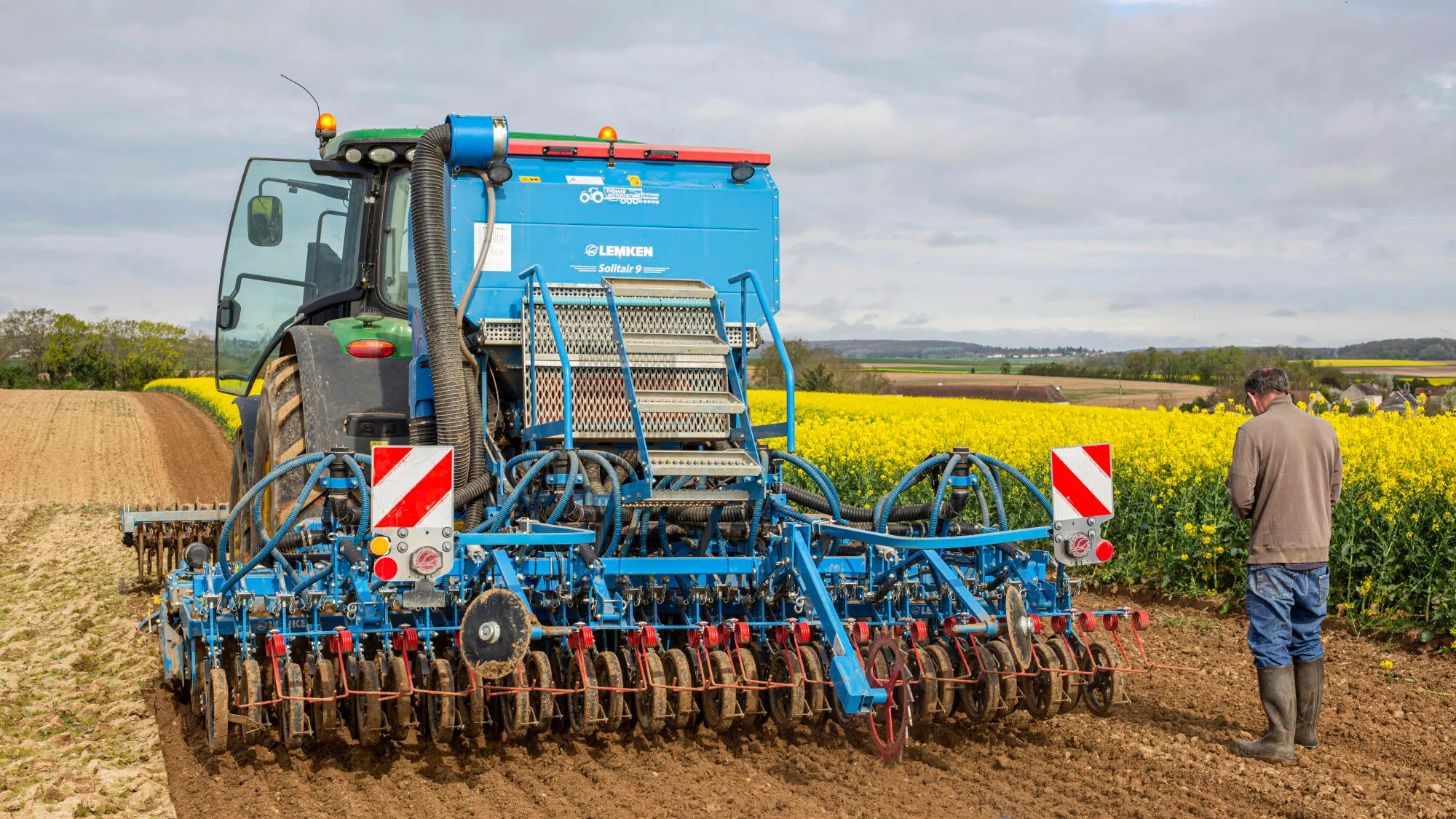
When and how to plant seeds successfully in spring?
To be able to harvest when the sun’s rays bring all their energy to the grains and plants, each farmer must carefully anticipate the time of sowing for his different crops.
Between September and November, after the still warm land has been plowed and prepared, it is mainly cereals – winter wheat, rapeseed, rye, triticale – which are sown. As soon as the frosts end, in the weeks preceding or opening spring, other sowing is still possible, especially if the land is not waterlogged.
A new batch of cereal like durum wheat can then be launched, or spring barleywhose rapid development helps limit the growth of unwanted field weeds.
It is especially the moment corna plant of tropical origin very dependent on water resources, but which presents numerous agri-food outlets. Just like the sunflowerwhose oil has multiple virtues and uses.
For supporters of no-till agriculture, which further preserves the biological life of the soil, seeds can be planted using a direct sowing seeder: the seed is then deposited through the residue left in place from previous crops.
This is the case soyfor example, from the end of April, or sorghumearly May. Lupine, peas, flax and faba bean are also part of the list. Depending on the areas used and the weather conditions, the spring sowing period can extend over several weeks.
The Strait of Hormuz at the center of the fertilizer trade
The ongoing blockage of the Strait of Hormuz, in the Persian Gulf, limits the circulation of chemical fertilizers, very popular with the conventional agricultural world.
Their prices are soaring, influencing the choice of sowing for the current season: in the United States, corn crops have already declined in favor of soya, which does not need added nitrogen fertilizers. Ultimately, returns may be affected.


