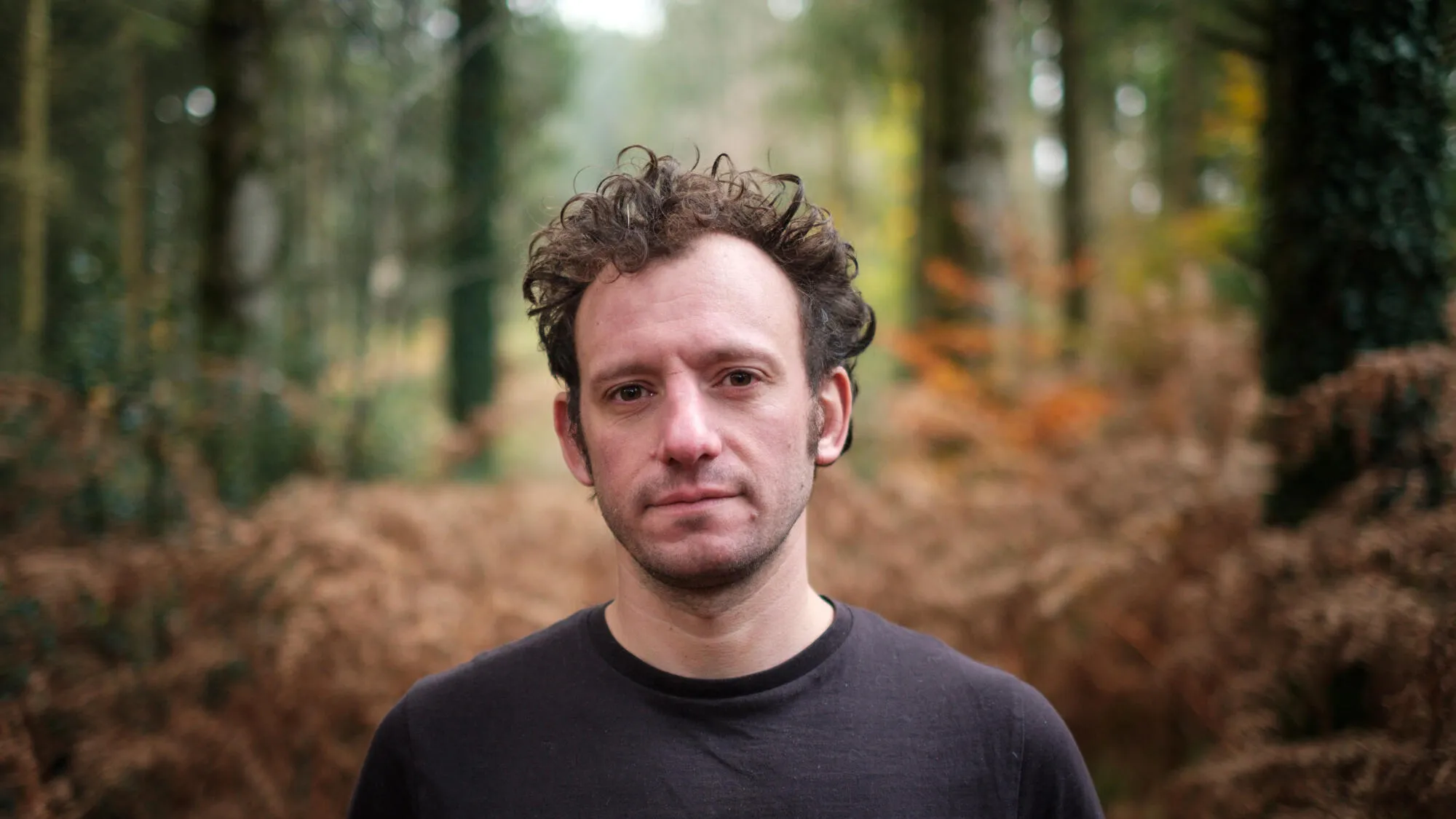
Mathias Bonneau, lumberjack with pen in hand
Lumberjack and ecology, an antithesis? The Ecology Novel Prize, however, combines these two concepts, distinguishing the work of Mathias Bonneau on April 15, 2026. Grateful, the author salutes “a jury which was not afraid to put these two words side by side”. “I am convinced that it is not because we cut down trees that we are destroying the ecosystem,” he asserts without shying away from criticism, “the first step to start the dialogue.”
Lumberjack has been his job for 15 years. However, giving this title to his book, which retraces these first ten seasons in the woods, does not have “the ambition to give a definition”, he insists. Aware of having “had the chance to be surrounded by people who allowed me to do things differently”, he practices mixed silviculture with continuous cover. In other words? “We only cut the quantity of wood that does not prevent regeneration of the targeted plot. »
At 38 years old, Mathias Bonneau still exploits the spruce forest in the Tarn which was planted by his grandparents in the 1960s. He followed his father, also a lumberjack, and produced his first wood chips there. The intoxicating smell of sap sticks to his memories, his clothes and his book. From his father, he inherited the “forest virus”, but not the dress code: “He really fit the stereotype: I always saw him with checkered shirts! I stopped using it…”
Repetitive music
“I would have liked to be a lumberjack, it seems simple, within reach, but this job is not for me,” he thinks as a child. Same story from his parents: “ This is the paradox of those passionate about these difficult professions who, while loving passing on what drives them, refuse to allow their children to take this path. »he writes in his novel. On their strong advice, he began studying architecture in Clermont-Ferrand. At the same time, he took part in writing competitions and completed his first travel diary during his Erasmus in Romania, inspired by those of travel cartoonists.
This taste for drawing and writing, which he has cultivated since childhood, acts as a trigger for the young graduate. During his first real season alongside his father, he drew and wrote Winter in the woods, lumberjack notebook. “I realized it was a perfect combo. I wouldn’t be an author without wood, nor a lumberjack without writing. »
The euphoria of falling a tree in the right place, Mathias Bonneau has gotten used to it without getting tired of it. Now, he is especially keen to ensure that his projects run smoothly. A chain that jams is counted in cubic meters of less wood cut at the end of the day. “There are three heavy aspects in this profession: remuneration, recognition and physical arduousness,” lists the lumberjack. And a certain refrain? “When the prize was awarded, one of the jury members compared the novel to repetitive music in which there are variations,” relates the author. “And it resonates: each tree is a new challenge. »
“Manage dying forests”
To flush out, skid, log, log… The forestry vocabulary “reflects a gesture reproduced for a long time”, which Mathias Bonneau perpetuates. However, its practice has nothing to do with that of previous generations. “I arrived in a monoculture forest, planted for economic reasons, with immaculate subsoil,” he describes. With my father, we focused on its destructuring to install biodiversity. » Observe, cut in the right place to create thinnings that will help young plants, leave dead wood to keep the ecosystem alive… All while aiming for a profitable quantity of cut wood. “A real balancing act,” he admits.
Alongside forestry associations and his “wood friends”, he saw the forest gain in species, and therefore, in complexity. His beginner’s doubts have disappeared: he now easily imagines the spruce trees growing in the breakthroughs of light he creates and can already hear the birds in their branches.
But this vision can quickly be swept away by weather hazards and attacks by bark beetles, hungry for conifers. Climate change is increasing the proliferation of these pest beetles. Faced with this situation, Mathias Bonneau remains lucid: “We are going to manage dying forests, our lives and careers as foresters will have to change”. For his generation, adaptation is the central issue. “Sometimes I’m a little bitter, I wish I didn’t have this fear that everything would disappear. » These trees that he loves and to which he speaks. “At the end of a project, I sometimes put my tools on the ground, sit on a log and take the time to enjoy where I am. »
He just dreams of a healthy forest. But Mathias Bonneau keeps his feet on the ground: “There is no ideal forest, because by the time we arrive at this ideal, it will have changed.” So, through words and sketches, the woodcutter-writer preserves it and offers it a little eternity.