
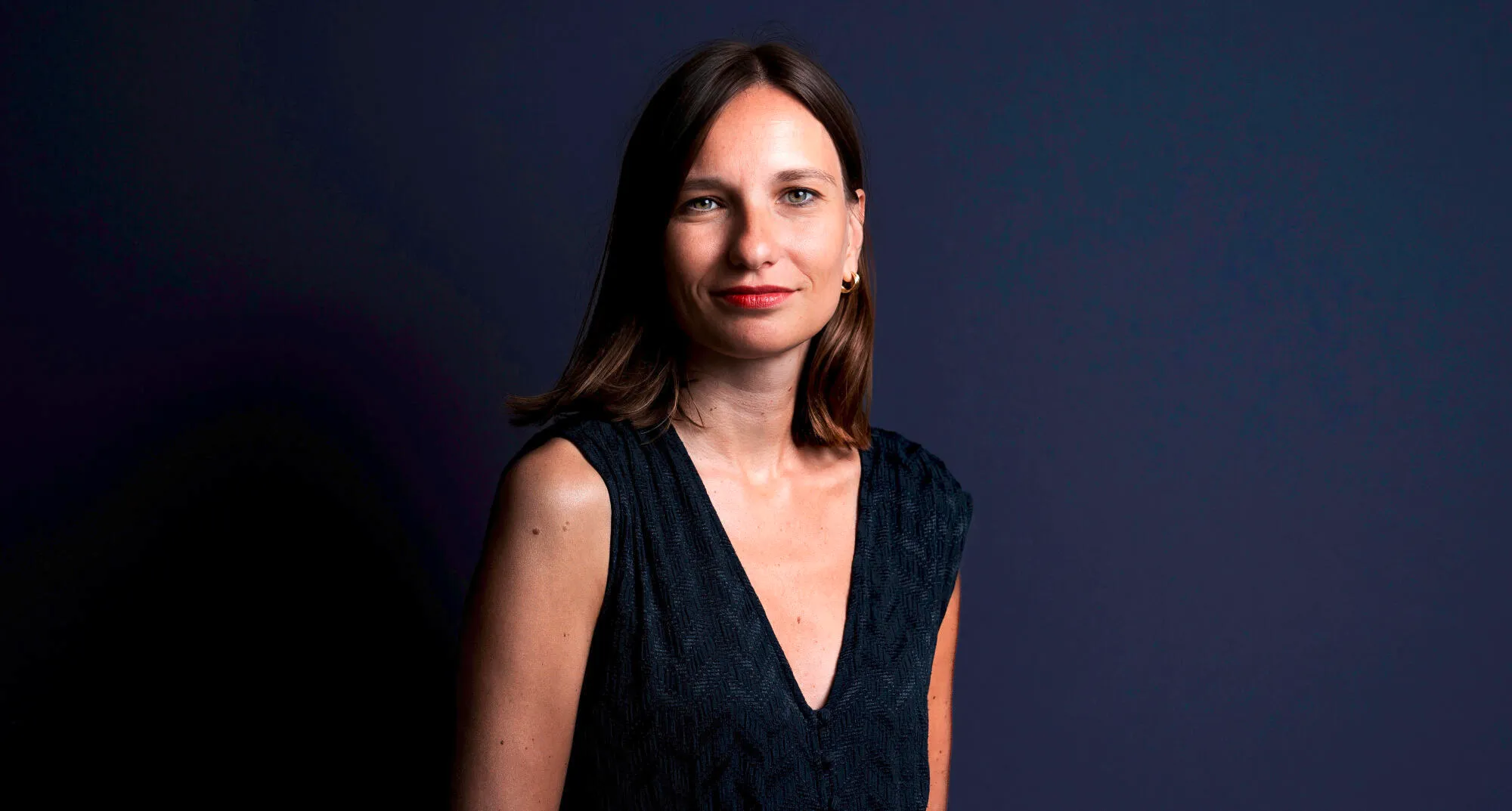
Johanna Brousse goes behind the scenes of cybercrime
The data of 678,000 users of the tax site was hacked this summer. What is the risk for victims?
Once this data (marital status, postal address, telephone number, tax ID, etc.) is in the wild, it is impossible to recover it and guarantee its confidentiality. They can fall into the hands of criminals. And it’s the same for all victims of leaks, it’s not just taxes.
There are even clandestine search engines allowing cybercriminals to find, in a few clicks, information on Internet users whose data has been stolen: all they have to do is type, for example, “Johanna Brousse”. One of these search engines was discovered at the end of September. Then, with this information, scammers can pose as a banking advisor and extort money, sometimes their life savings.
Should you file a complaint?
Yes. Some victims, particularly older people, may be ashamed and do not dare talk about it to those around them. Often, they isolate themselves. Being trapped can happen to anyone, including judges or people occupying the highest offices of state.
What reflexes should you adopt?
First of all, you should avoid clicking on a link or opening an attachment from someone you don’t know or who seems suspicious. You must also use strong and distinct passwords for your different accounts.
If in doubt, you can go to the website cybermalveillance.gouv.fr and answer the questionnaire, indicating in particular the links on which you clicked. At the end of the questionnaire, you are directed to the procedure to follow: file a complaint if necessary or, on the contrary, be reassured if there is no identified risk.
What is the profile of these cybercriminals, who we call hackers?
It is very difficult to draw up a unique composite portrait. But we detect two trends. On the one hand, there are experienced hackers who will recover data with the aim of committing an offense.
On the other hand, we encounter very young delinquents – most of them minors or just adults. They are socially disrupted. Very often, they don’t come out of their room, they don’t have friends. By hacking data, they are not looking for profit but are looking for recognition.
Why is cybercrime exploding?
As our entire society has become digital, the risks are increasing. This is what we call the “cyberization” of crime. Today, the computer has become a weapon. Delinquency is changing, like counterfeit checks. This form of crime, once very common, is tending to disappear in favor of cyber scams.
Today, a thief, for example, no longer necessarily needs to rob a bank: he can try to hack an ATM and take control of it remotely. Likewise, hacking techniques can be used to steal vehicles by taking control of them remotely.
There is no longer any question of breaking a window. We now find this threat in all areas of crime: drug trafficking, theft, espionage, terrorism, etc.
What is your worst fear today?
A terrorist cyberattack. We are extremely vigilant on this point. Projects of this type have already been observed abroad, notably in the United States. Hackers have thus managed to break into water treatment systems and remotely modify the dosage of certain chemicals. Fortunately, the authorities were able to detect these intrusions in time. But artificial intelligence worries me just as much…
For what ?
Artificial intelligence makes it possible to democratize technical know-how and can give people who do not have it the necessary knowledge to carry out certain attacks. The American firm Anthropic recently indicated that cyberattacks targeting, among others, France had been carried out with the help of its artificial intelligence.
You are a team of six magistrates in your section. How can you manage such a vast threat?
Each year, we collect around 500 additional files. We handle business nationally. Our team works a lot, it’s true. But the advantage of being a single section is precisely that it can cross-reference files and find malicious actors in several cases.
In a hundred cases throughout France for example, we will realize that we find a single author behind it. And we can thus elucidate a hundred procedures at once. At the moment, there are not that many cybercriminals. The most difficult is international cooperation. Because we often have to look for evidence all over the world.
“At the moment, there are not that many cybercriminals. »
Precisely, you even attack the leaders of digital platforms like Elon Musk, the richest man in the world. Tell us about it.
Justice is the same for everyone. Our Penal Code provides for an offense of unlawful administration of a platform, which makes it possible to seek the responsibility of the managers of these sites when they do not respect their obligations.
In May 2026, a judicial investigation was opened concerning the social network deepfake (“hyperrealistic trickery” in French, editor’s note), that is to say content created or modified using artificial intelligence.
We therefore requested his indictment by voluntary appearance or, failing that, by the issuance of an arrest warrant. From now on, the case is in the hands of the investigating judges of the Paris judicial court, who must continue their investigations calmly and determine the follow-up to be given to this case. At this point, Elon Musk remains presumed innocent.
Is the presidential campaign subject to increased vigilance?
Yes, this is a particularly risky period. As the presidential election approaches, we are very mobilized, both on cyberattacks and on potential foreign digital interference.
If, for example, a disinformation campaign using digital cyber tools occurs just before an election to discredit one candidate for the benefit of another, this can have consequences for the entire democratic process.
You’re investigating Russian hackers, drug traffickers, potential Chinese spies… Aren’t you afraid?
Yes, there are times when I’m afraid. But this question goes beyond just cybercrime: magistrates are increasingly confronted with threats. They can come from organized crime but also take much more everyday forms. Despite this, I want to continue doing my job. If we let ourselves be overcome by fear, we no longer do anything. Our role is precisely not to let anything slip by.
The biography of Johanna Brousse
- 1985. Born in the Paris region.
- 2012. Deputy prosecutor at the Paris Court of Appeal.
- 2017. Enters the Paris public prosecutor’s office, in the section for the fight against cybercrime.
- 2020. Head of the cybercrime section.
- 2024. Arrest of Pavel Dourov, boss of the Telegram network.
- 2026. Requires the indictment of Elon Musk, owner of the X network.