
rising debt, increased taxes… an unambitious course for the French economy
It’s all a matter of point of view. For the government and the Prime Minister, Sébastien Lecornu, it is a guarantee of “stability”; for the oppositions, but also for many Macronist deputies, and in the eyes of most economists, it is above all a promise of “immobility”.
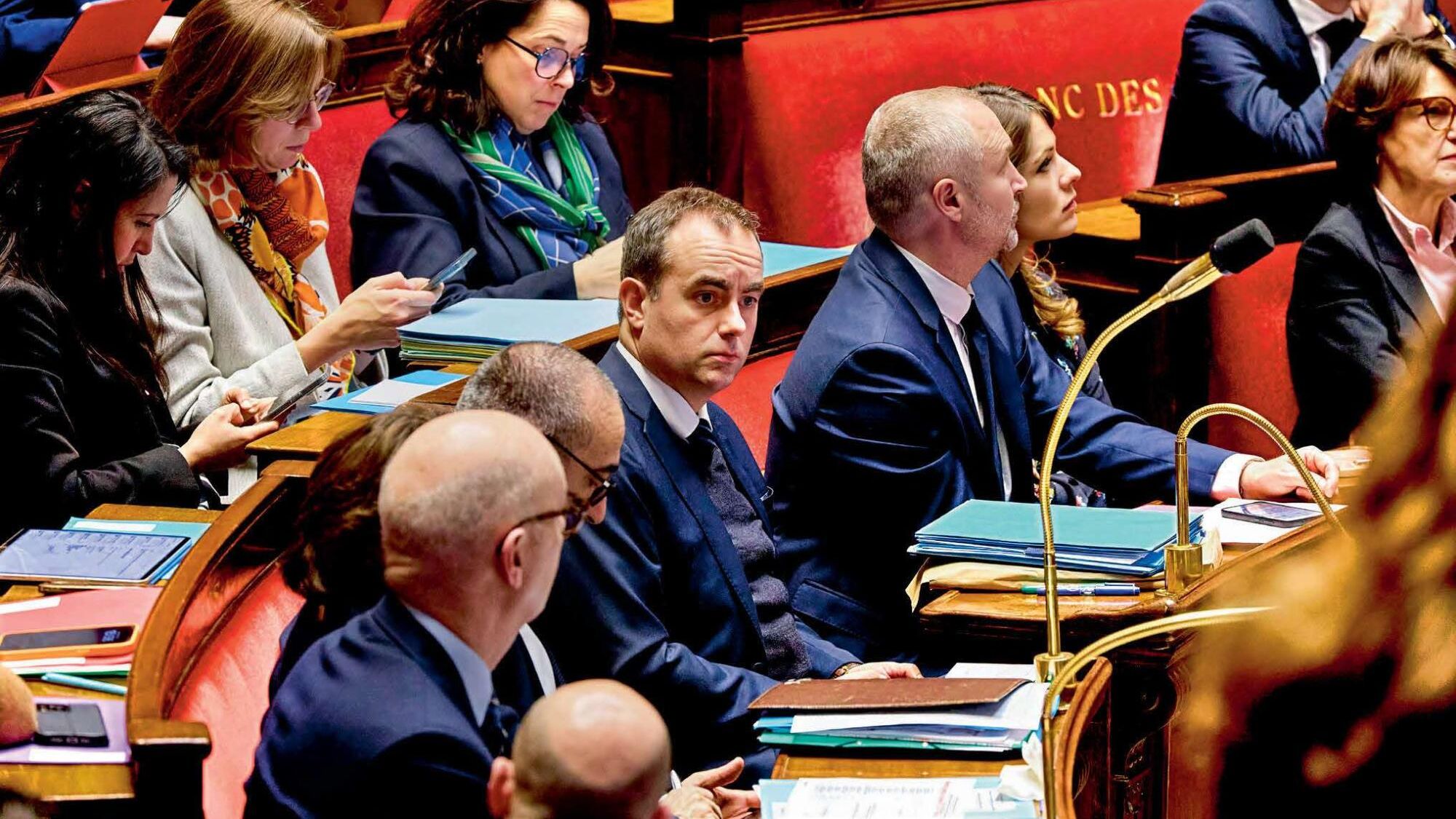
After months of discussions and negotiations, the 2026 budget is about to be adopted thanks to the repeated use of article 49.3 of the Constitution by the Prime Minister and the neutrality displayed by the socialist deputies, on the left, and republican deputies, on the right, for once in agreement not to bring down the government.
A result that is anything but brilliant, which owes a lot to the reversals, even the denials of Matignon for weeks. Suspension of pension reform ahead of the vote on the Social Security budget, abandonment of any attempt at state reform, additional public spending granted as so many concessions to the Socialist Party, posting of a budget deficit target of 5.4% of GDP – the worst in the euro zone and yet considered far too optimistic to be realistic…
The political exercise does not emerge stronger from the ordeal.
At least the goal has been achieved: “stability” for the government and for Emmanuel Macron, who sees the specter of a new dissolution of the National Assembly and the risk of having to shorten his mandate at the Élysée prematurely recede. But behind these political calculations, what will this 2026 budget change in the practical daily lives of the French?
Employment risks
Savers, first of all, will be put to greater use. With the increase in social security contributions voted upon when the Social Security budget was adopted, the maximum withholding on property income (capital gains, dividends, retirement savings plan upon exit, etc.) increases from 30 to 31.4%.
Seniors are doing better than younger generations. Once discussed, the removal or limitation of the 10% tax reduction for retirement pensions was finally ruled out. The pension reform, which was to increase the eligible starting age from 62 to 64, is suspended at 63 years and nine months.
The increase in debt, which is expected to increase from 115.9% to 118.2% of GDP, will also weigh on the youngest: social spending (pensions and health, for the most part) from which seniors largely benefit, are financed by debt, the burden of which will fall on tomorrow’s workers, as explained in Pilgrim, Nicolas Dufourcq, the head of the Public Investment Bank. The widening of the Social Security deficit, with a “hole” voted to increase to 24 billion euros in 2026 compared to 23 in 2025, is a cruel admission.
In the medium term, this budget is not favorable to the recovery of employment. The reduction in unemployment was among Emmanuel Macron’s successes. Alas, it has been stalled for several months and the increase in the tax burden on businesses should not improve the situation.
While last June, Amélie de Montchalin, the Minister of Public Accounts, committed to the Senate Finance Committee not to renew the “exceptional” contribution on the three hundred largest French companies (“Certain points can be stated bluntly: the corporate tax surcharge will no longer exist in 2026”), this is extended. However, these groups represent more than one in four employees in the private sector. “The State is denying itself while the United States and Germany are lowering their taxes,” denounced the president of Medef, Patrick Martin, on France Inter on January 21. The boss of bosses fears that French companies will prefer, in this context, to open their new factories abroad.
High incomes taxed more
Finally, the poorest will receive more, the wealthiest will pay more. The activity bonus reserved for the lowest salaries is increased by 50 euros on average for those who earn the minimum wage or a little more. All students, and no longer just scholarship holders, will benefit from a one-euro meal. Personalized housing assistance is protected.
At the other end of the scale, taxpayers with a reference tax income greater than 250,000 euros (500,000 for a couple) will have to pay at least 20% of this sum. This “differential contribution on high incomes”, adopted by the Barnier government, is perpetuated.
This budget will be sent to senators at the beginning of February. They should not retouch the copy, so that it is sent back to the National Assembly as soon as possible in order to be definitively adopted. Faced with the current parliamentary deadlock, we will have to wait until the day after the 2027 presidential election for the discussion and vote on the budget, the most solemn time in political life, to regain their nobility.