
Three exhibitions on Native American culture that fascinate France
Birth of a myth
For what Atala does it continue to fascinate?
François-René de Chateaubriand’s first novel inaugurates French romanticism through a story of impossible love between Chactas and Atala, two Indians from enemy clans. Exoticism, lyricism and spirituality irrigate this work nourished by the author’s trip to the New World in 1791 and by the stories of the explorers.
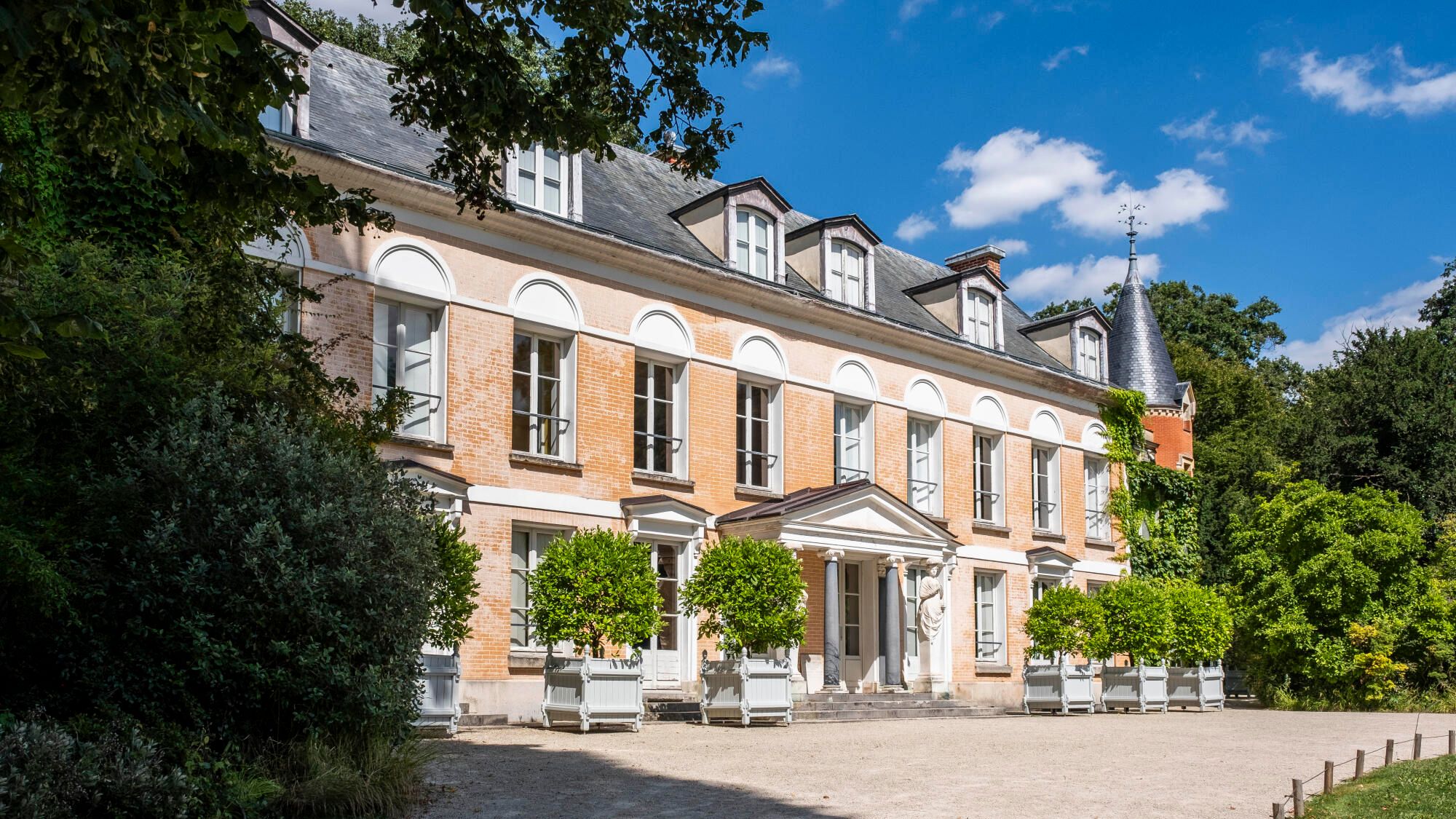
Upon its publication, the novel triggered a veritable “Atalamania”, in the words of Anne Sudre, director of the Maison de Chateaubriand, in Châtenay-Malabry (Hauts-de-Seine), and curator of the exhibition. Around a hundred pieces are presented: paintings, sculptures, decorative arts, original editions and unusual objects, including a set of “talking” plates! Enough to plunge the visitor into the heart of an imagination shaped by Atala .
To (re)read: Atala, by François-René de Chateaubriand. Version illustrated by the collections of the house of Chateaubriand, Ed. Department of Hauts-de-Seine-Maison de Chateaubriand, 180 p. ; €12.
Practical information
“ATALA 1801. ILLUSTRATED JOURNEY INTO THE HEART OF A NOVEL”, until March 29. House of Chateaubriand-Departmental estate of Vallée aux Loups, in Châtenay-Malabry (Hauts-de-Seine). Free entry. Rens. : vallee-aux-loups.hauts-de-seine.fr
The Indian, hero of the French dream
The first country to recognize the independence of the United States, France maintains a unique link with this young country, illustrated by the collection of the Franco-American museum in Blérancourt (Aisne).
La Fayette is the emblematic figure: during a stay in America in 1825, he received moccasins and a chaplain offered by Native American tribes.
Under Louis-Philippe, these exchanges continued with George Catlin, American painter and ethnologist, who produced fifteen paintings for the king, including Indian ball game (1846).
Between fantasized visions and authentic pieces, like the Sioux costume offered in 1907 to Joë Hamman, French pioneer of the western, imagination and reality mingle. Westerns also occupy a special place in the museum, through film extracts, sculptures and paintings of Indian warriors. This figure continued until the First World War: the La Fayette squadron displayed a Sioux emblem on the cabin of its planes. From then on, the Indian became an ally, hero and legendary figure at the same time.
A diplomatic liaison
September 1725: Paris discovers the New World. Barely a month after disembarking in Lorient (Morbihan) from a port in Louisiana, five representatives of Native American nations – among them, the daughter of a chief – set foot on Parisian soil as part of a diplomatic trip. Three centuries later, the Palace of Versailles, in conjunction with the Quai Branly-Jacques Chirac museum, returns to this episode by bringing together pipes, ornaments, weapons, articles of the Mercury of France …
So many pieces that take us back to an unprecedented context, after the French took possession of the Mississippi basin in 1682. “This immense territory could only be occupied by establishing a system of alliances with the peoples who lived there,” recalls Bertrand Rondot, co-curator of the exhibition and chief curator of heritage at the Palace of Versailles. To reaffirm these links, the representatives were invited to the court of Louis XV. During their stay, they notably discovered “the cabin of the great leader of the French” in Versailles.
Then, on November 25, 1725, in Fontainebleau, they presented themselves to the king in traditional dress. “For the first time, these indigenous peoples are recognized as full diplomatic partners,” underlines Bertrand Rondot. A rare dialogue between two worlds. The pieces presented are no longer just heritage: they become living archives. Because today, the Native Americans of North America rely on these testimonies to support their territorial claims.
Exhibition catalogue, Ed. Linkart, 160 p. ; €29.


