4 gestures to act concretely
1. Identify the suspects
New yellow flowers colonize your land? Do not hesitate to identify them with your mobile phone thanks to the PL@ntnet app. You may discover that it is a Cape Séneçon, a plant as toxic as prolific. All invasive plants are listed in the national natural heritage inventory, available online (read box at the end of the article), to which you can refer to identify what should be eliminated from your garden.
2. Eliminate the roots
It is necessary to fully uproot the invasive plants to overcome them. Do it as much as possible before flowering or seed. Bring gloves, or even protective glasses and a mask if you are allergic.
If necessary, the plants torn off should be placed in hermetic bags in order to avoid the dispersion of the seeds.
3. Participate in an autumn site
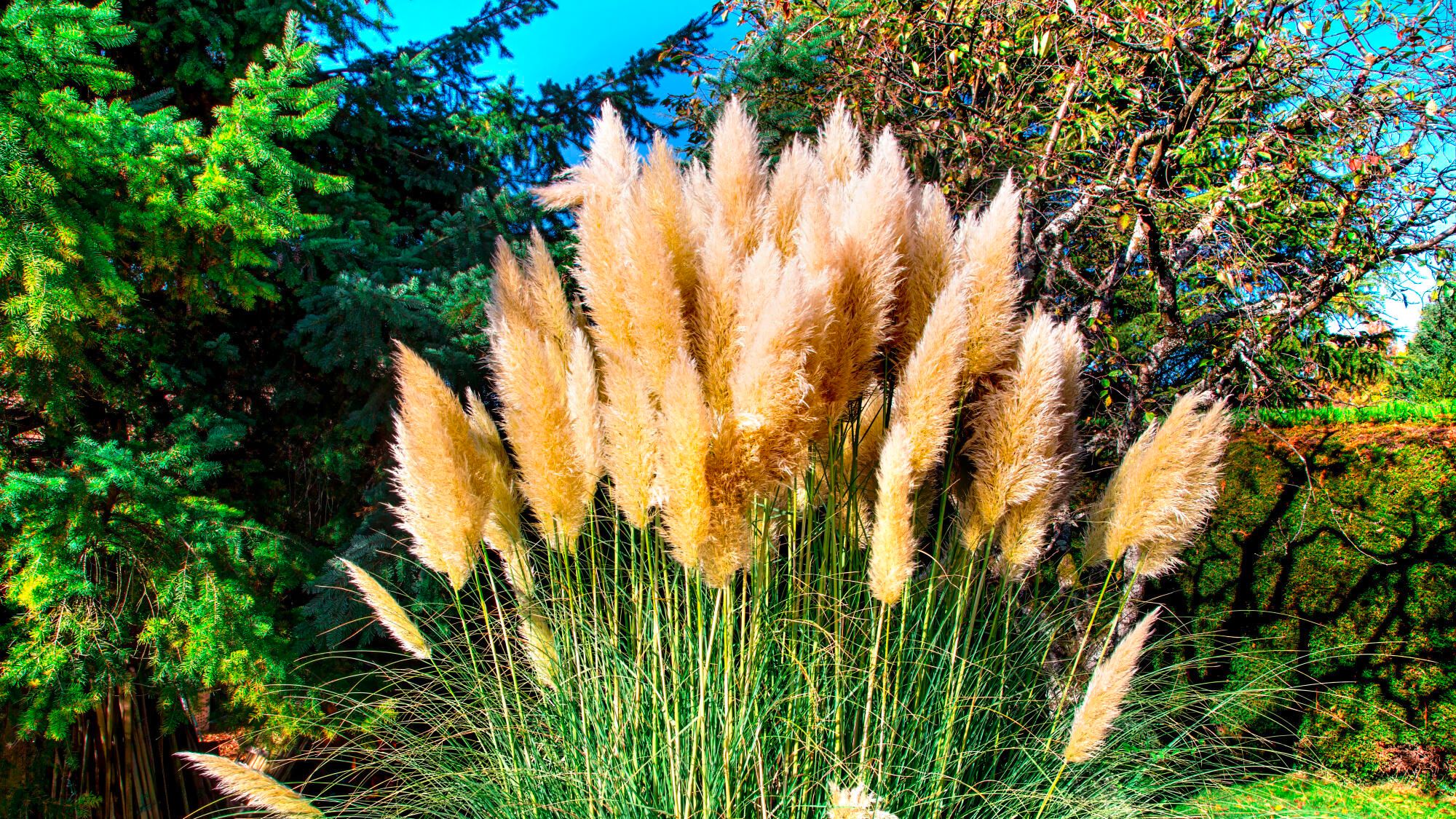
From September 22 to December 21, 2025, the network of natural space conservatories organizes maintenance sites where your volunteer work (from a few hours to one day) will limit the proliferation of invasive plants: Pampa grass, Jussie, Renouée du Japan, Caucase cradled, etc. All in a friendly atmosphere.
4. Become a referent against the Ambroisie
This plant native to North America causes many allergies until the beginning of October and increasingly invades the fields to the detriment of cultures, particularly in the Auvergne-Rhône-Alpes region. Local communities need the field relays to report their appearance and inform good management practices.
Do not hesitate to come forward to your town hall or regional referents (Read the box below) .