A new M6 documentary on French immigration
“I didn’t want to be “the other”. I wanted to be “them”. » At 92 years old, Gérard Hernandez talks about his first years in France and his change of first name. Born Julio Gerardo Hernandez, the actor, who has played Raymond in Household Scenes on M6 since 2009, arrived from Spain with his family in 1936. He was 3 years old. His career makes him one of the 19.1 million French immigrants or descendants of at least one immigrant parent or grandparent, according to INSEE figures for 2021 and 2023. The actor speaks in The new French, 100 years of immigration, a society documentary, presented and produced by Karine Le Marchand, the result of an order from her channel, M6. His ambition? “Retrace from the inside a century of immigration to France and explain the current situation. »
By taking a positive look at this historical fact, the presenter and Mathilde Gautry, the director, trace the thread of migratory flows, starting with the Spaniards, through Gérard or Isabel, up to the recent oriental exoduses, with Taym, Syrian. The obstacles and violence experienced by these men, women and children are addressed: some evoke them in a few words, such as Maria, 92 years old, who came from Milan (Italy) in the 1950s or Sophie, 31 years old, daughter of Papido, Cambodian.
However, they do not dwell on it. “Pessimism invades this subject today. It is rare for immigrant parents and children to speak out. It is nevertheless saving, because it lifts the veil on beings who are often invisible. However, almost a third of the population has a link with immigration. It is therefore very structuring in our society,” believes Karine Le Marchand.
Forge a destiny
The film she offers is dense with its large number of speakers but clear. Successive arrivals are identified and quantified thanks to the work of historians, and deciphered by specialists such as Constance Rivière, director of the national museum of the history of immigration, Marie-Rose Moro, psychiatrist, or François Gemenne, expert in climate migration.
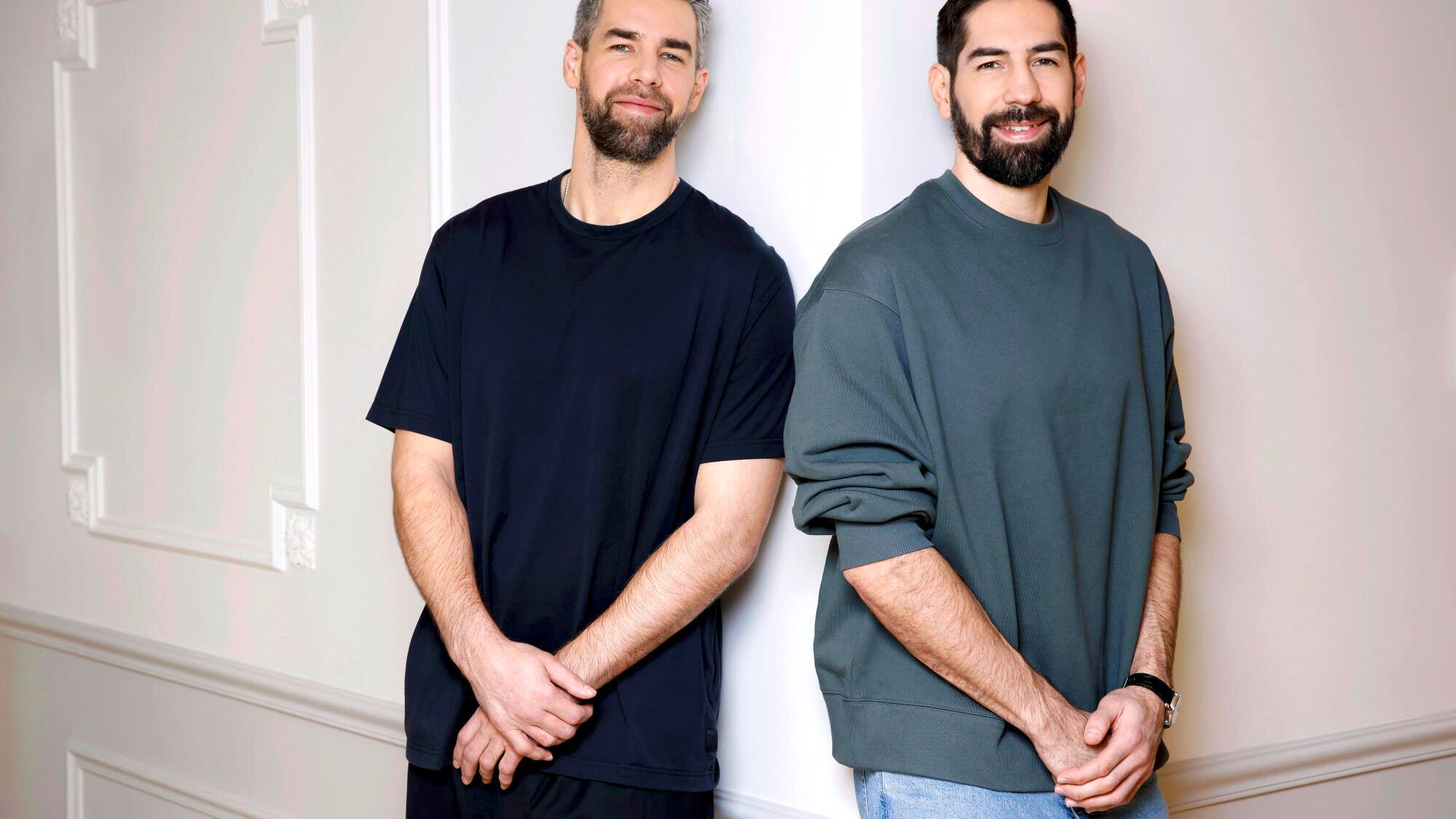
These stories are also illustrated by colorized images from the INA or personal archives, and addressed by snippets of stories from anonymous or renowned personalities: André Manoukian, Rachel Khan, Tomer Sisley, Nikola and Luka Karabatic, Mohed Altrad, Booder, etc.
Beyond their family trajectories and their sometimes divergent feelings, all “have managed to forge their destiny”, explains Karine Le Marchand. As if they had adopted the injunction of the father of Sheila Gasmi, head of an emergency unit at the Avicenne university hospital, in Bobigny (Seine-Saint-Denis): “I did not leave my family and my country, Algeria, which I love so much, so that my children born in France would not succeed! »
Freeing family speech
If some witnesses speak at greater length, the multitude of speeches, and therefore their brevity, detracts a little from the whole. Especially since we feel that there would be much more to grasp from these paths of life, from these legacies, sometimes from these rediscoveries. Contrary to what the director expected, each interviewee confided in her at length.
Céline Mori, third generation of immigrants, explains that, since this filming, her family has addressed “things that had not been said”. Nothing surprising for Constance Rivière. “It’s often the grandchildren who dare to open the boxes and ask questions. » It remains to answer them, if they do not yet know their story. And this documentary could nourish many desires for family stories.