
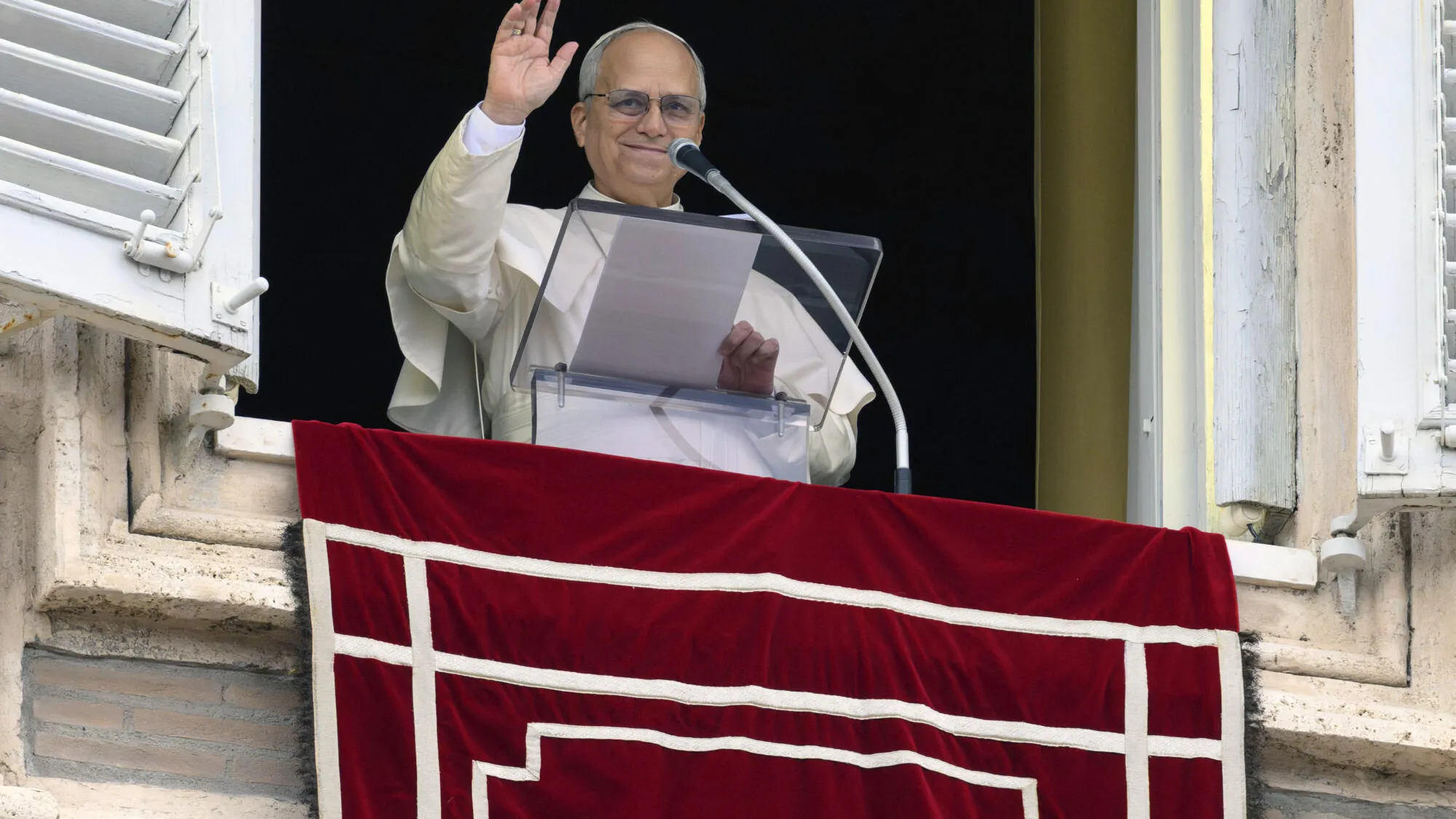
the detailed trip program
Summary in 3 points
- The Pope is on a 10-day trip to Africa, visiting four countries: Algeria, Cameroon, Angola and Equatorial Guinea.
- On the program: masses, political meetings, social visits and calls for peace in sensitive regions.
- This trip combines diplomacy, interreligious dialogue and support for local Christian communities.
Monday April 13, 2026: first day in Algeria
Official arrival in Algiers and institutional meetings
- 8:00 a.m.: Departure from Rome (Fiumicino)
- 9:00 a.m.: Arrival in Algiers and welcome ceremony
- 10:15 a.m.: Visit to the President of the Republic
- 11:00 a.m.: Meeting with the authorities and the diplomatic corps
Symbolic and religious visits to Algiers
- 9:45 a.m.: Collection at Maqam Echahid
- 3:15 p.m.: Visit to the Great Mosque of Algiers
- 4:40 p.m.: Meeting with the Catholic community at Notre-Dame d’Afrique
Tuesday April 14, 2026: Annaba, in the footsteps of Saint Augustine
A day marked by Christian heritage
- 9:20 a.m.: Departure for Annaba
- 11:00 a.m.: Visit to the ancient site of Hippo
- 12:10 p.m.: Meeting with the Augustinians
Mass in the Basilica of Saint-Augustin
- 3:30 p.m.: Eucharistic celebration
- 6:00 p.m.: Return to Algiers
Wednesday April 15, 2026: arrival of the Pope in Cameroon
Official welcome in Yaoundé
- 10:10 a.m.: Departure from Algiers
- 3:20 p.m.: Arrival in Yaoundé
- 4:20 p.m.: Visit to the president
Dialogue with Cameroonian society
- 5:05 p.m.: Meeting with the authorities
- 5:45 p.m.: Visit to an orphanage
- 6:25 p.m.: Discussion with the bishops
Thursday April 16, 2026: call for peace in Bamenda
A visit to a region marked by tensions
- 10:05 a.m.: Departure for Bamenda
- 11:30 a.m.: Meeting for peace
Mass and return to Yaoundé
- 3:15 p.m.: Mass in Bamenda
- 6:20 p.m.: Return to the capital
Friday April 17, 2026: stopover in Douala
Mass at Japoma stadium
- 11:00 a.m.: Celebration with the faithful
Pastoral and academic meetings
- 1:20 p.m.: Visit to a Catholic hospital
- 5:30 p.m.: Meeting with the academic world
Saturday April 18, 2026: from Cameroon to Angola
Last mass in Cameroon
- 9:30 a.m.: Mass in Yaoundé
- 12:30 p.m.: Departure for Luanda
Arrival in Angola
- 3:00 p.m.: Official welcome
- 4:15 p.m.: Meeting with the authorities
Sunday April 19, 2026: high mass and pilgrimage to Muxima
Marian prayer at the Muxima sanctuary
- 4:30 p.m.: Rosary at the “Mama Muxima” shrine
Monday April 20, 2026: trip to Saurimo
Meeting with the most vulnerable
- 9:45 a.m.: Visit to a home for the elderly
Mass and pastoral meeting
- 11:15 a.m.: Mass in Saurimo
- 5:30 p.m.: Meeting with pastoral actors
Tuesday April 21, 2026: arrival in Equatorial Guinea
Official welcome in Malabo
- 11:45 a.m.: Arrival and ceremony
- 12:30 p.m.: Visit to the president
Dialogue with society and the Church
- 4:00 p.m.: Meeting with the cultural world
- 7:00 p.m.: Meeting with the bishops
Wednesday April 22, 2026: Mongomo and Bata
Mass in Mongomo
- 10:30 a.m.: Celebration in the basilica
Day marked by memory and youth
- 4:50 p.m.: Visit to Bata prison
- 6:10 p.m.: Meeting with young people and families
Thursday April 23, 2026: end of the trip and return to Rome
Last mass in Malabo
Return to the Vatican
- 12:45 p.m.: Departure for Rome
- 7:55 p.m.: Arrival in Fiumicino
What are the dates of the Pope’s trip to Africa?
The Pope’s trip takes place from April 13 to 23, 2026, over a period of ten days.
Which countries are visited by the Pope?
The Pope is visiting four African countries: Algeria, Cameroon, Angola and Equatorial Guinea.
What are the highlights of the program?
Highlights include several important masses, notably in Annaba, Douala, Luanda and Malabo, as well as meetings with the authorities and civil society.
Why is this trip important?
This apostolic journey aims to strengthen ties with local Churches, promote peace and encourage interreligious dialogue.
Does the pope address political or social issues?
Yes, he meets political leaders, visits social structures (orphanages, hospitals) and carries messages about peace, solidarity and human dignity.