
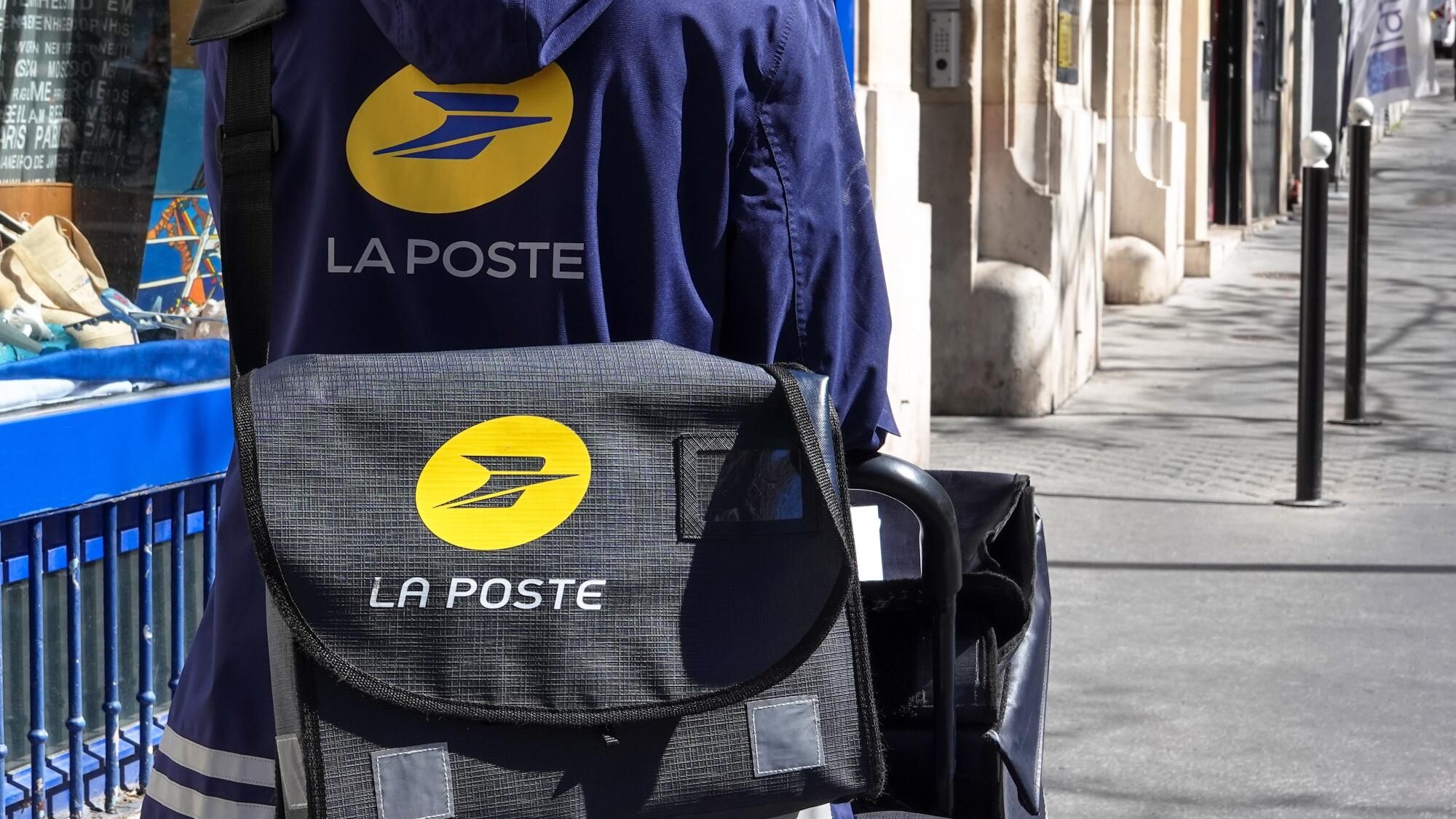
The renunciation of postal distribution of the press opens the way to information deserts
Tribune signed by Pierre Louette (president of the General Information Press Alliance), François Claverie (president of the SEPM) and Jean-Christophe Raveau (president of the FNPS)
La Poste recently notified several publishers of a significant increase in its distribution rates, breaking with the memorandum of understanding signed in 2022 which guaranteed price predictability until 2027. Faced with this unilateral challenge, the three main organizations representing the French press are speaking with one voice.
The press is today immersed in a profound transformation under the effect of digital technology. The constant increase in the number of subscriptions and online audiences testifies to its successful adaptation to new uses. However, a significant part of our readers remains attached to the paper newspaper, more than 2 million copies of which continue to be delivered every day and which provides 80% of the sector’s revenues – making it possible in particular to finance the necessary investments in digital.
This fragile balance is today called into question by the dizzying increase in distribution costs – and particularly by the prospect of a sudden increase in postal rates.
The public press postal distribution service, established by law, is in fact an essential cog in the information chain, which makes it possible to serve readers located in the most isolated areas.
The conditions of this mission are now being called into question: while the Post Office and the State had committed to capping price increases until 2027, they are now preparing to reverse their signature, by massively increasing the price of postal transport.
Such a decision would call into question, for our fellow citizens located in the least dense areas of the territory, the availability of their newspaper or magazine at a reasonable cost.
What are the reasons for such a turnaround? La Poste claims that press distribution costs would have increased by 40% in 2023, even though distributed volumes are continually falling; that these costs would now be “unbearable”, while it made 1.4 billion euros in profit last year…
It is tempting to think that it is more a question of making publishers bear the financial consequences of the decline in postal mail volumes. If the cost of public service missions is not fully compensated, it is not up to publishers and press readers to remedy this.
After the desertification of territories in terms of businesses, infrastructure, doctors, are we going to witness the end of one of the last public services benefiting all French people equally? So, in France we would have a Post Office capable of delivering all parcels in good conditions, but not the press?
As important electoral deadlines approach, and while online disinformation becomes massive, weakening the distribution of reliable and pluralistic information is a danger for our democracy, which public authorities cannot ignore. The study recently published by the Relocalizers and the Jean Jaurès Foundation a few weeks ago further highlighted the link between attachment to democratic values, electoral participation and access to the media.
The State must play its role here and respect its signature by guaranteeing the conditions of postal distribution.