
Between the Anglican Churches, the divide will be costly
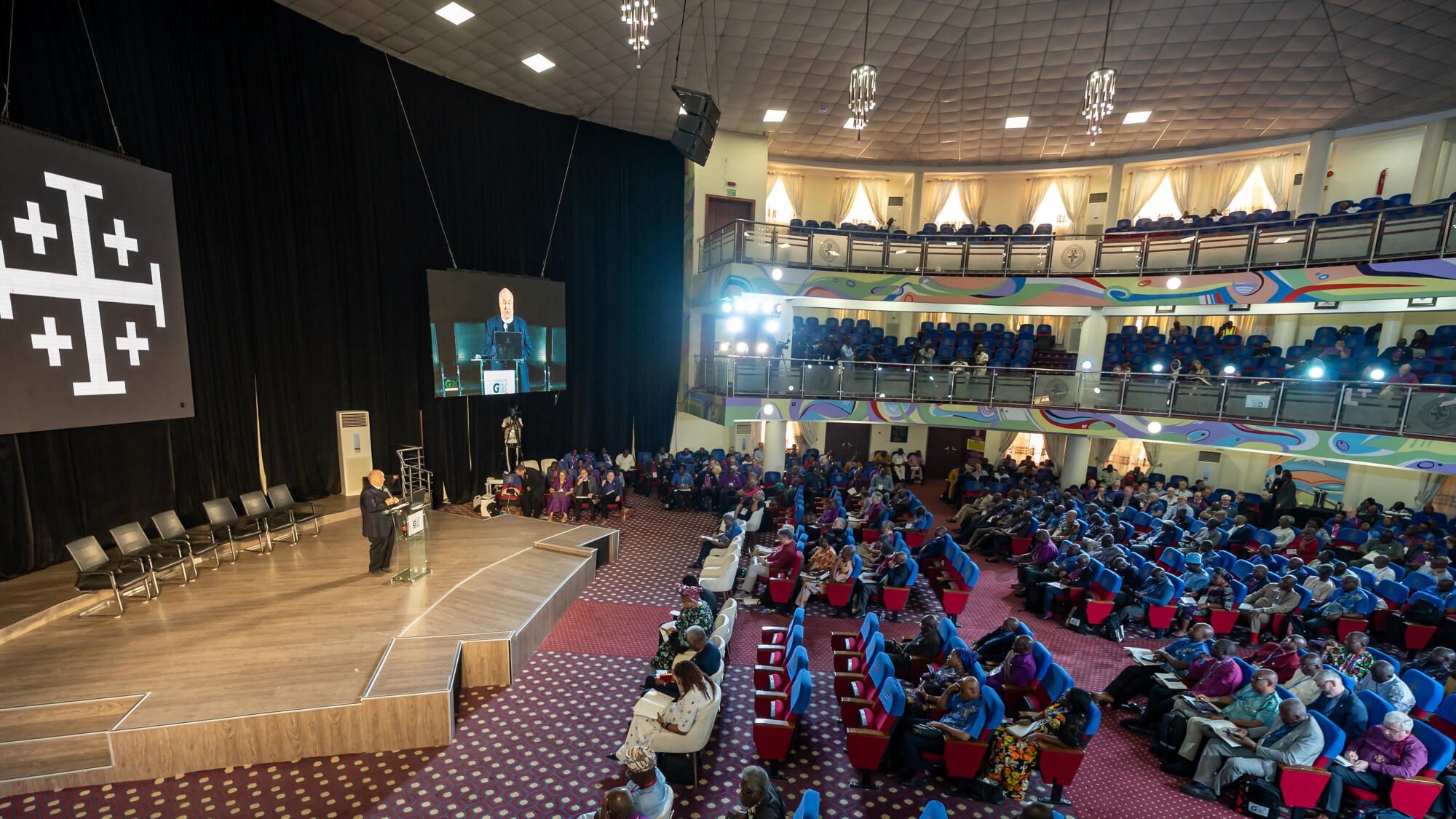
“We don’t want your charity! » This is, implicitly, the message that the Churches of the countries of the South (Nigeria, India, Uganda, etc.) are sending to those of the North (Canada, England, United States, etc.) A scathing warning in an Anglican world already very divided. At the beginning of March, the Gafcon (Global Anglican Future Conference) network, mainly made up of African provinces, met in Abuja, Nigeria and proclaimed its independence by creating the World Anglican Council.
To be among the leaders of the new organization, bishops will have to refuse financial support from “compromising sources”, a thinly veiled allusion to the Church of England and its liberal orientations. The historic institution, 1,400 years old, exerts a strong influence on the Anglican Communion, the network of 77 million faithful around the world. However, Gafcon considers the ordination of women to be heresy and protests against the appointment of a woman at the head of the Church of England: the British Sarah Mullally, who is officially enthroned at Canterbury Cathedral on March 25, 2026. The conservative network is increasing its actions to break with the liberals of the Church of England, at the risk of depriving itself of enormous advantages.
The very fortunate Church of England
Remember, the Church of England is one of the wealthiest in the world. With a certain business sense, she manages a successful wealth fund through a commission. In 2024, this fund was valued at £11.1 billion, and generated a positive return of 10% through savvy investing. The mother house of the Anglican religion is so rich that it provides no less than 40% of the annual budget of the Anglican Communion, according to a 2018 report. Its influence is considerable: throughout the world, the Communion network brings together the Anglican faithful, offers meeting spaces and visibility to local communities. The conservative churches of the South therefore face a delicate choice today. Stay in the Anglican Communion game or break away from it for a structure with a more modest budget?
The conservative Gafcon network knows that its members mainly come from developing countries and do not have the same financial power. “We simply cannot continue to live from day to day, with a series of appeals for donations, always on the verge of financial ruin,” warned Richard Condie, bishop of the diocese of Tasmania, in the spring of 2023. To remedy this, leaders of Gafcon – Ugandan, Nigerian or Rwandan bishops – launched a fund supposed to provide them with lasting capital. Objective: reach 10 million dollars to obtain financial autonomy and ensure “the future of Anglican orthodoxy”. Gafcon relies in particular on donations from the faithful because it has a major demographic weight – around 45% of practicing Anglicans in the world, according to studies.
The Churches of the South want to emancipate themselves
Behind the question of money there is a shift in the center of gravity in the Anglican world. The historic Church of England and its northern neighbors no longer have the same influence and face increasingly strong competition from the southern churches. Its provinces are very autonomous and, contrary to popular belief, do not benefit from structural support from the Northern Churches. The aid mainly concerns targeted projects within local communities, and not the general functioning of dioceses.
But Gafcon will have to fight to completely emancipate itself. Its bishops come from provinces whose level of wealth is very heterogeneous and difficult to assess. In Kenya, for example, where almost half of the population lives in extreme poverty according to the NGO Oxfam, Anglican dioceses have few resources. The Anglican Church of Nigeria, on the other hand, can draw on greater resources. According to Gafcon, it was she who covered the travel, visa and accommodation costs of around fifty bishops participating in the Abuja meeting. A solidarity which has only one goal: to create an ecclesial movement as powerful as that of the Anglican Communion.