
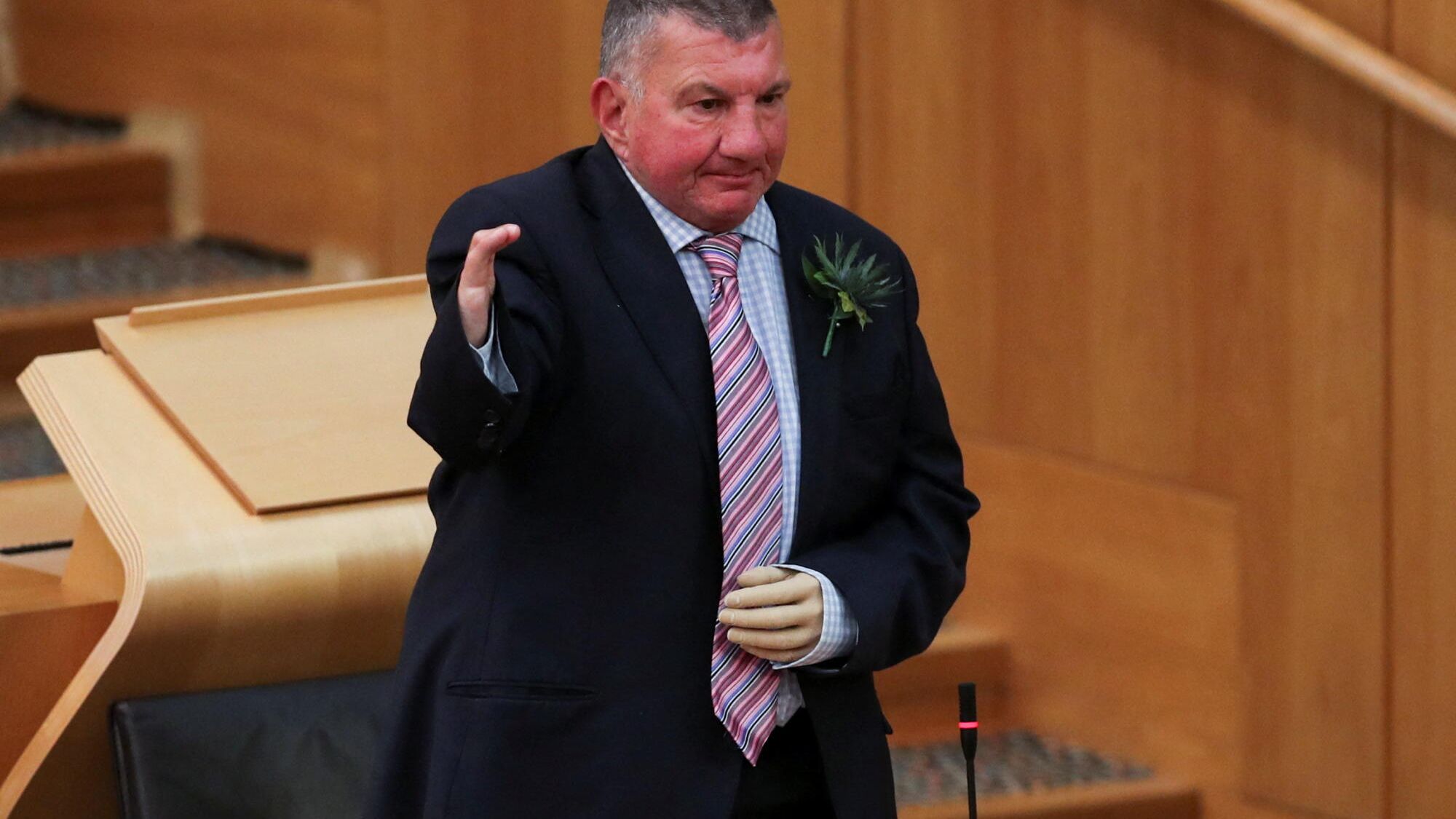
Scottish MP recounts rejection of end-of-life law
Supporters of the Scottish bill on assisted dying were nevertheless hopeful: for the first time, the three legislative steps necessary to initiate the vote had been completed. But, on March 17, 2026, the deputies rejected it, by 69 votes to 57. The testimony of deputy Jeremy Balfour, a Baptist Protestant and born with a disability, tipped the scales. He tells.
Was the outcome of this vote a surprise?
Public opinion in Scotland has often been portrayed as overwhelmingly in favor of assisted dying. But when we talk directly with people, when we show them the concrete risks of the excesses incurred, and when we recount the experiences of countries which have gone through this, this opinion is no longer exactly the same.
A large majority of people, particularly those working with the elderly, those with disabilities, and those in palliative care, expressed deep concerns after understanding what such a law could achieve.
Liberal Democrat MP Liam McArthur presented the bill as a compassionate choice for people at the end of their lives. I have no doubt about the sincerity of his approach.
But, from the moment the draft was published, it was clear to me that the safeguards were insufficient and that the law underestimated the pressures that would be put on vulnerable people. This is why we embarked on a campaign to expose the dangers that were little known.
Can you recount the turbulent journey of this bill?
It was long and full of emotions. He took the first step, but only after many MPs expressed serious reservations. In the second, we worked tirelessly to highlight the weaknesses of the text’s proposed safeguards, the lack of strong protections for people with disabilities, and the profound implications for medical ethics.
When the bill reached the third and final stage, the problematic points we had highlighted could no longer be ignored. The withdrawal of the conscience clause for doctors opposed to euthanasia has only increased the unease.
MEPs ultimately rejected the plan because they recognized it could pose unacceptable risks to vulnerable people, and threatened to erode the relationship of trust between doctor and patient.
How much has your Christian faith influenced your role as an MP?
My opposition was forged over the years I spent listening to those most affected: people with disabilities, those who feel like their lives are a burden, families who are already under enormous pressure and doctors who are afraid of being asked to cross a moral line.
My Christian faith informs my conviction that every human life is fundamentally worthy. But the arguments that I gave throughout the mobilization were based primarily on the defense of human rights and the concrete realities of health care. It was not to defend an ideology. It was about protecting people who would otherwise have found themselves directly threatened.
Is the chapter now definitively closed?
I don’t think so. The issue of assisted dying will undoubtedly come back to the Scottish Parliament one day. But the result obtained in recent days shows that determined mobilization can make the difference.
When the public and legislators are truly informed about the risks of coercion, pressure, normalization of the act of ending one’s life and transformation of the role of doctors, everyone is more cautious than the polls indicate. Our role now is to use this “breathing” to strengthen palliative care and extend support to caregivers.
To the French people who are in a situation that we experienced, I would like to say this: it is never too late to make your voice heard in favor of the most vulnerable.
Even when a law seems inevitable, your words can guide the debate and force legislators to confront the consequences of the text they propose. Don’t underestimate the impact of persistent, compassionate activism. Our Scottish experience proves this.


