the impact on rural gas stations
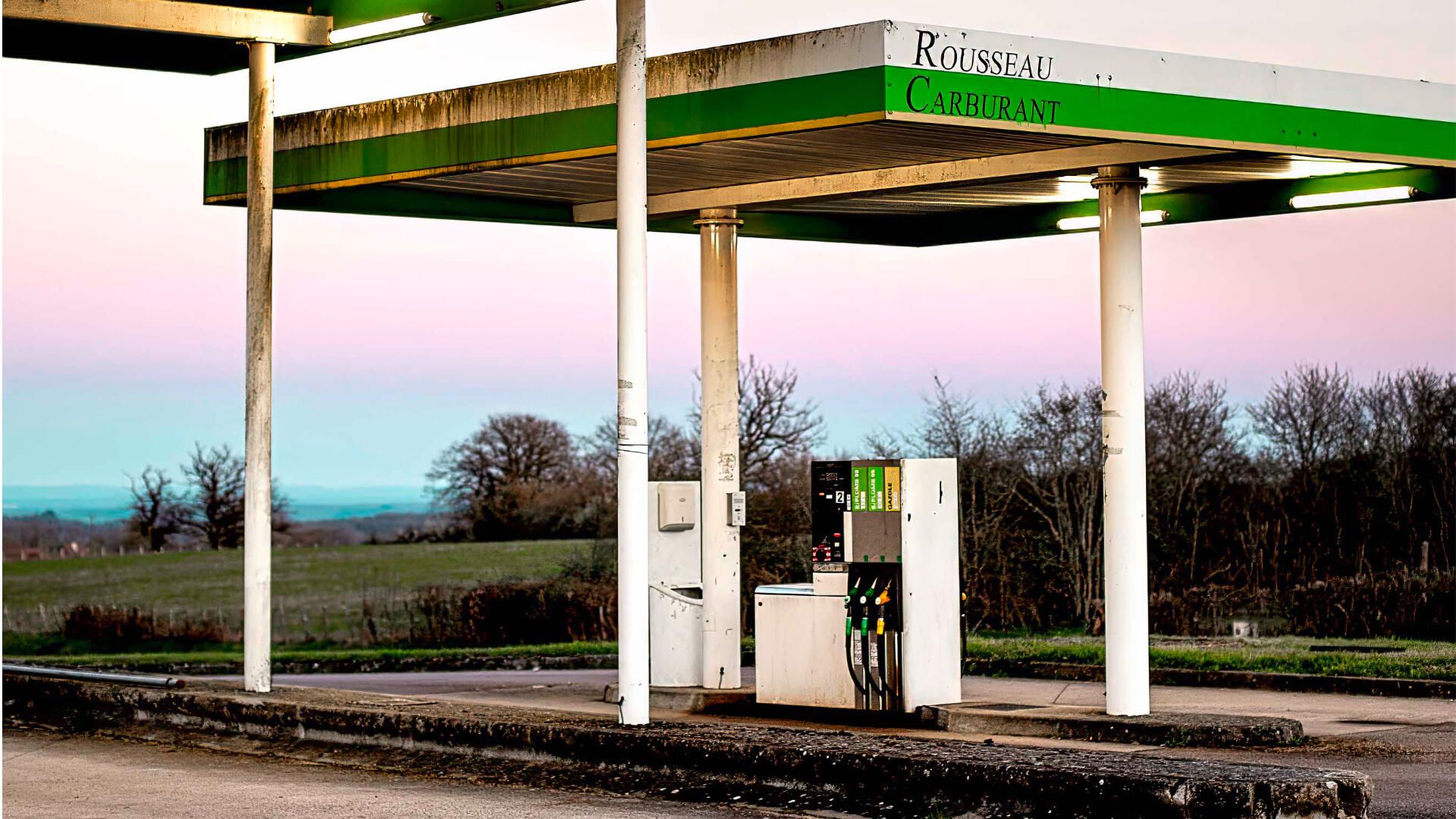
The war is felt at the pump. The Rousseau service station, located on the D17, near the village of Liernais (Côte-d’Or), displays, Tuesday March 17, 2026, unleaded 98 at 2.17 euros per liter, and diesel at 2.149 euros. Enough to deter more than one motorist. “And again, we have just filled the tanks. The products were purchased on Monday, at a time when prices had fallen a little since the start of the war with Iran,” considers Olivier Rousseau, a 55-year-old independent gas station attendant and owner of three other service stations. In these rural businesses, each geopolitical upheaval has repercussions almost immediately.
“We determine the prices on the day we are delivered. Another of our stations is always full. However, this stock returned at the most expensive time, on the fourth day of the conflict and the blockage of the Strait of Hormuz (through which 20 pass % of global oil and gas, editor’s note). As long as it is not renewed, we have no other choice than to offer diesel at a price of 2.442 euros, unless it is sold at a loss,” he laments.
Not always easy to explain it to the consumer, and above all difficult to compete with large neighboring resorts. “We cannot be cheaper than the oil tanker stations since we buy the products from them. As for large retailers, they buy their supplies in bulk, with negotiated prices; and fuel remains a loss leader for it,” he emphasizes.
4 to 8 cents margin
“The gross margin of an operator is on average between 4 and 8 cents, because employees have to be paid (among the Rousseaus, there are eight of them, editor’s note)taxes and repay the investment,” confirms Francis Pousse, president of the Mobilians professional union. In 2025, France had 10,764 service stations, including 5,514 traditional ones (namely independent ones and those of oil groups such as Total, excluding supermarkets), according to the latest figures from the French Union of Petroleum Industries.
“Running an independent gas station in a rural area is a priesthood. »
Francis Pousse President of the Mobilians professional union
Although they are the majority in number, their market share is decreasing from year to year: they now only sell 34.8% of fuel, compared to 39% ten years ago in 2015. “Running an independent service station in a rural area is a priesthood,” he says. These infrastructures maintain an essential network for daily car users, but often do not have sufficient cash flow to cope with their changes in behavior in the event of a crisis. »
It was precisely at the request of the surrounding communities that Olivier and Cécile, whose company originally specialized in the delivery of fuel oil, became pump attendants. “Mayors told us: without a station in the village, residents will fill up elsewhere… and businesses close. » While gas stations are treated as “war profiteers” they react. “Whether we buy diesel at 1.30 euros per liter excluding tax, as before the crisis, or at 1.80 euros, our margin remains 8 cents. The crisis does not benefit us,” proclaims Olivier Rousseau.
State controls, to avoid excessive price increases at the pump, do not frighten them. None of the proposals emanating from the different political sides to control prices find favor in their eyes. “If prices are stuck at the price where the stations buy the products, what do we do? Are we letting ourselves die? And if the State compensates us, it’s still assistance,” Olivier gets annoyed. “They will never lower VAT to 5.5%,” adds Cécile. Public finances need it too much. »
The minimum to troubleshoot
While waiting for the situation to normalize, they can fortunately count on the sale of fuel oil to keep them going; and only buy the minimum, to, despite everything, help motorists. Like Pascal, a cattle trader, who stopped at the Liernais station when his fuel light came on. “Apart from putting tape on the light, there’s not much else to do! » laughs a craftsman, who comes to fill a jerrycan. In these countryside where the car is essential, the war, although distant, is remembered when refueling.